

Mining knowledge
Choose hardware, understand power, connect to a pool and plan cooling. Practical guides for every stage of mining.
Find your next guide.
25 guides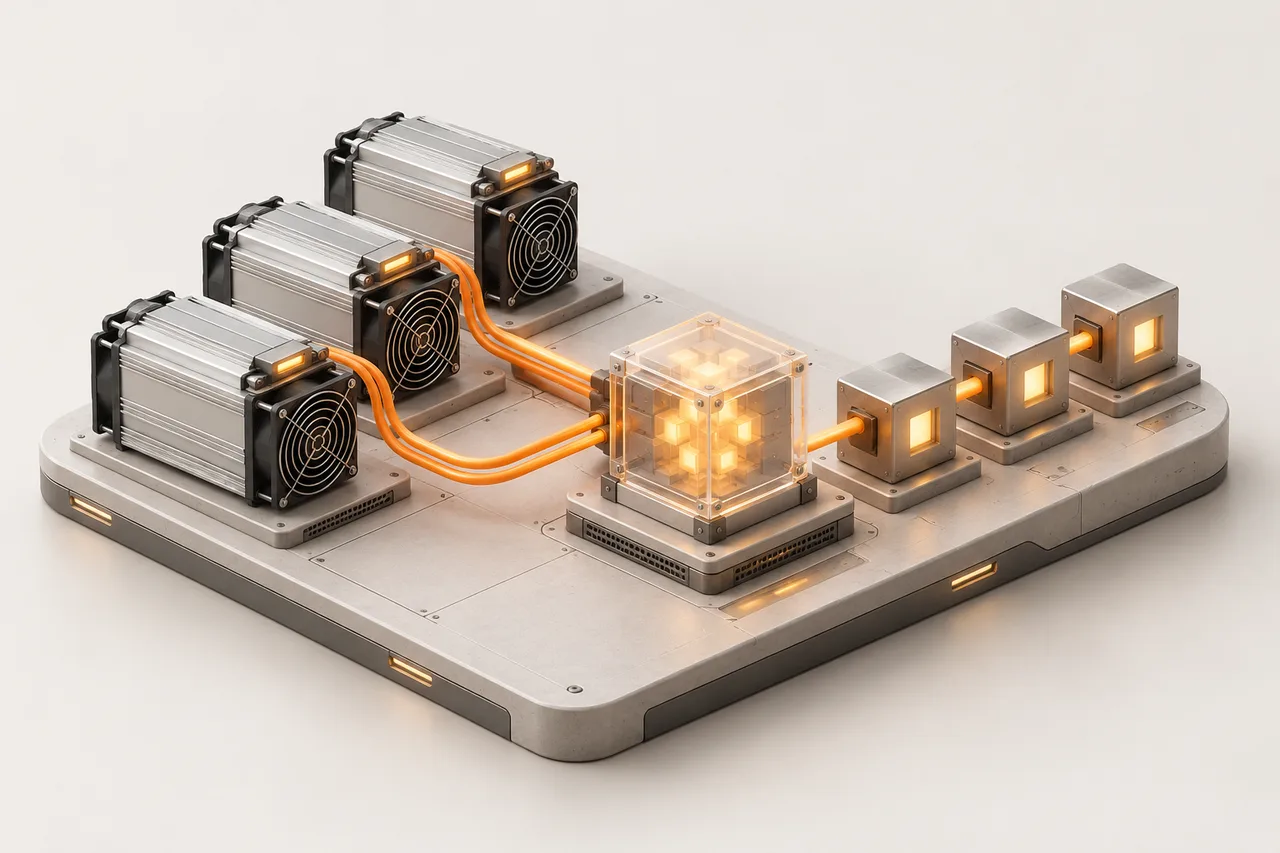 Mining basics
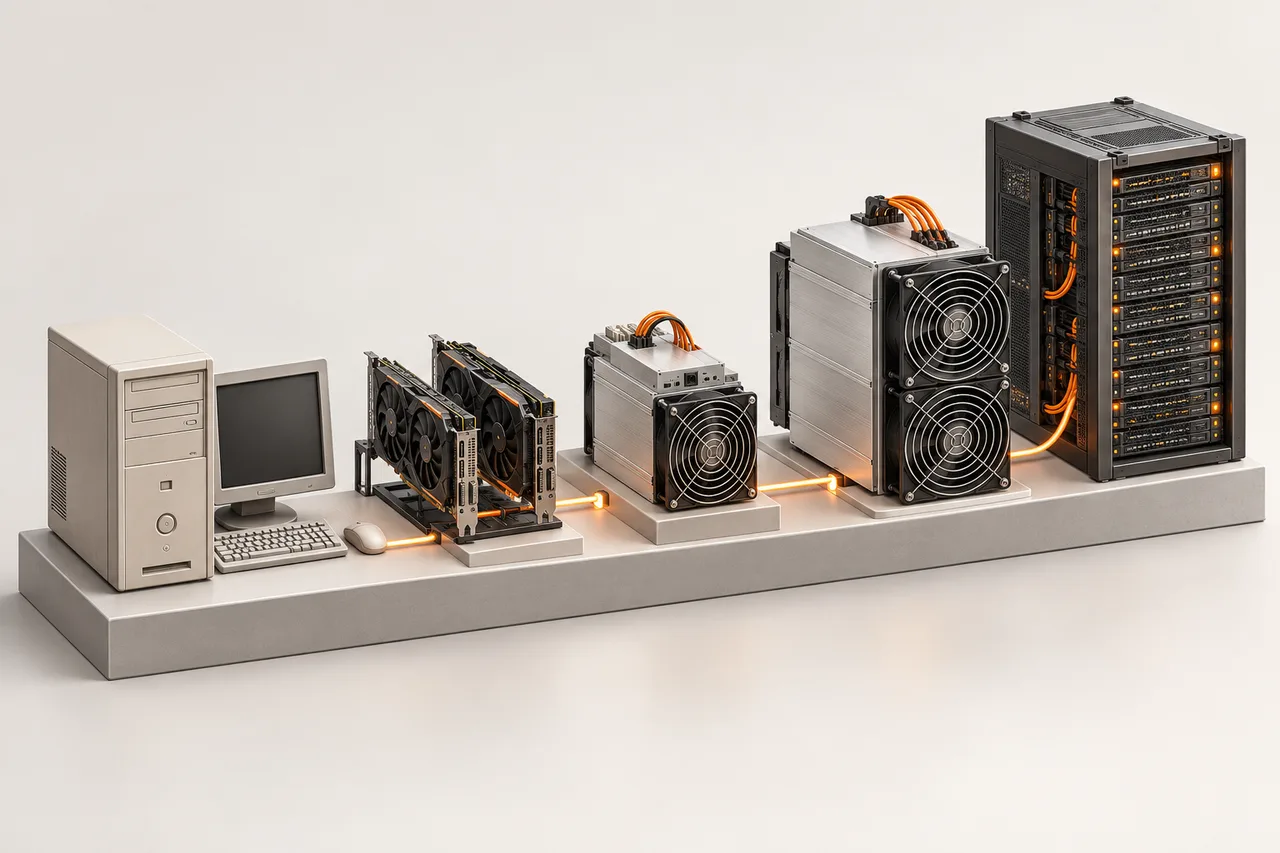
How Bitcoin mining works
Follow one connected system: proof of work, computing power, a mining pool and the electricity that keeps it running.
 Choosing hardware
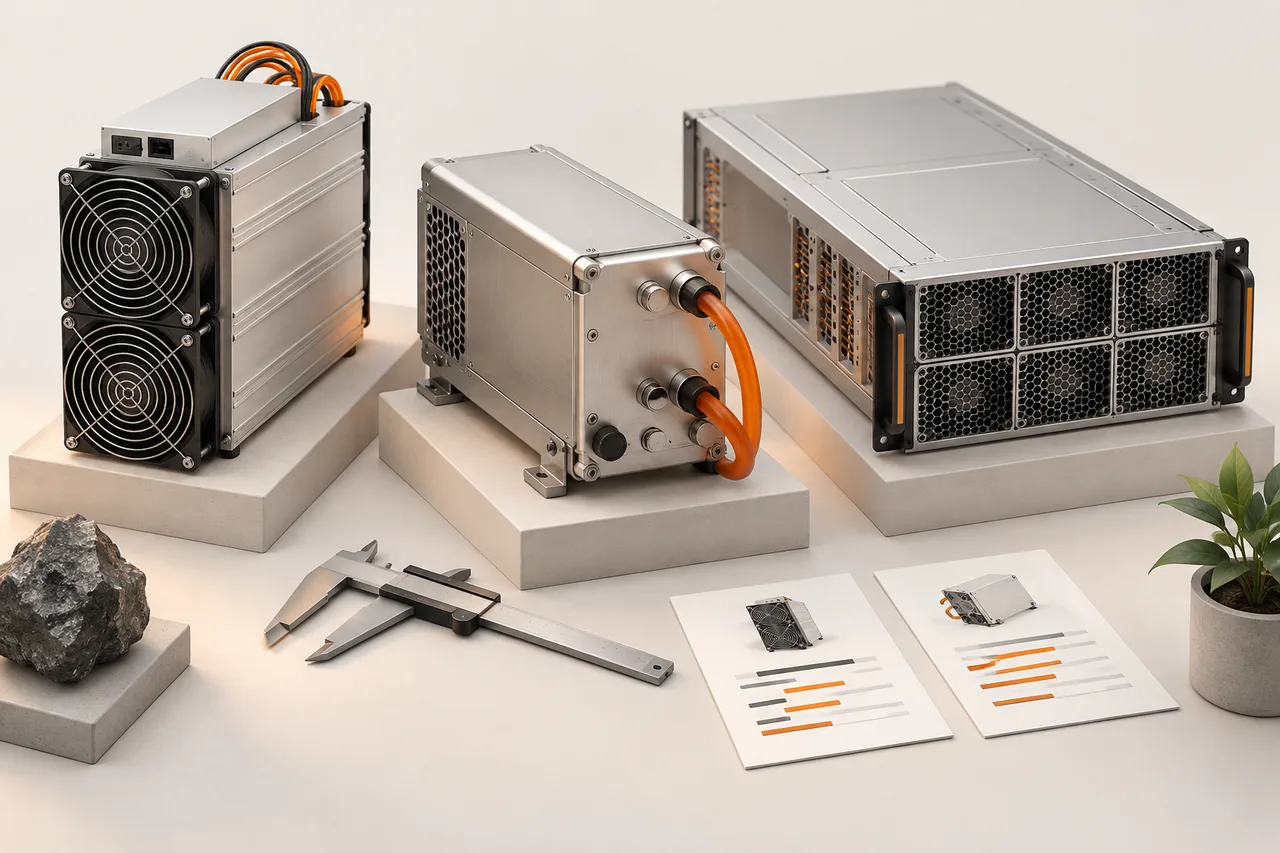
How to choose an ASIC miner
A useful shortlist starts with power, heat and support. Use a site-first checklist before comparing prices.
 Cooling & deployment
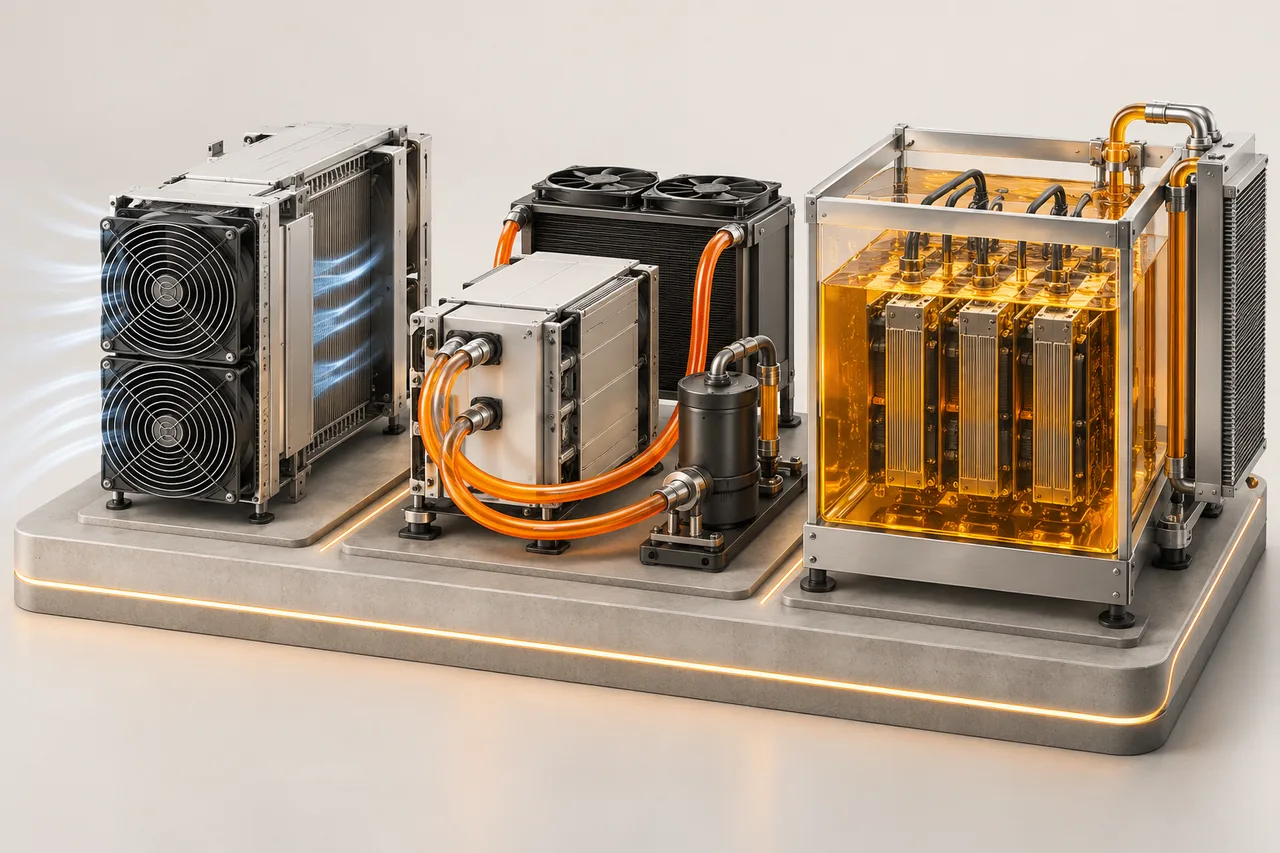
Air, hydro and immersion cooling
Air, hydro and immersion move heat differently. Compare the whole installation, not the cooling label alone.
 Industry & history
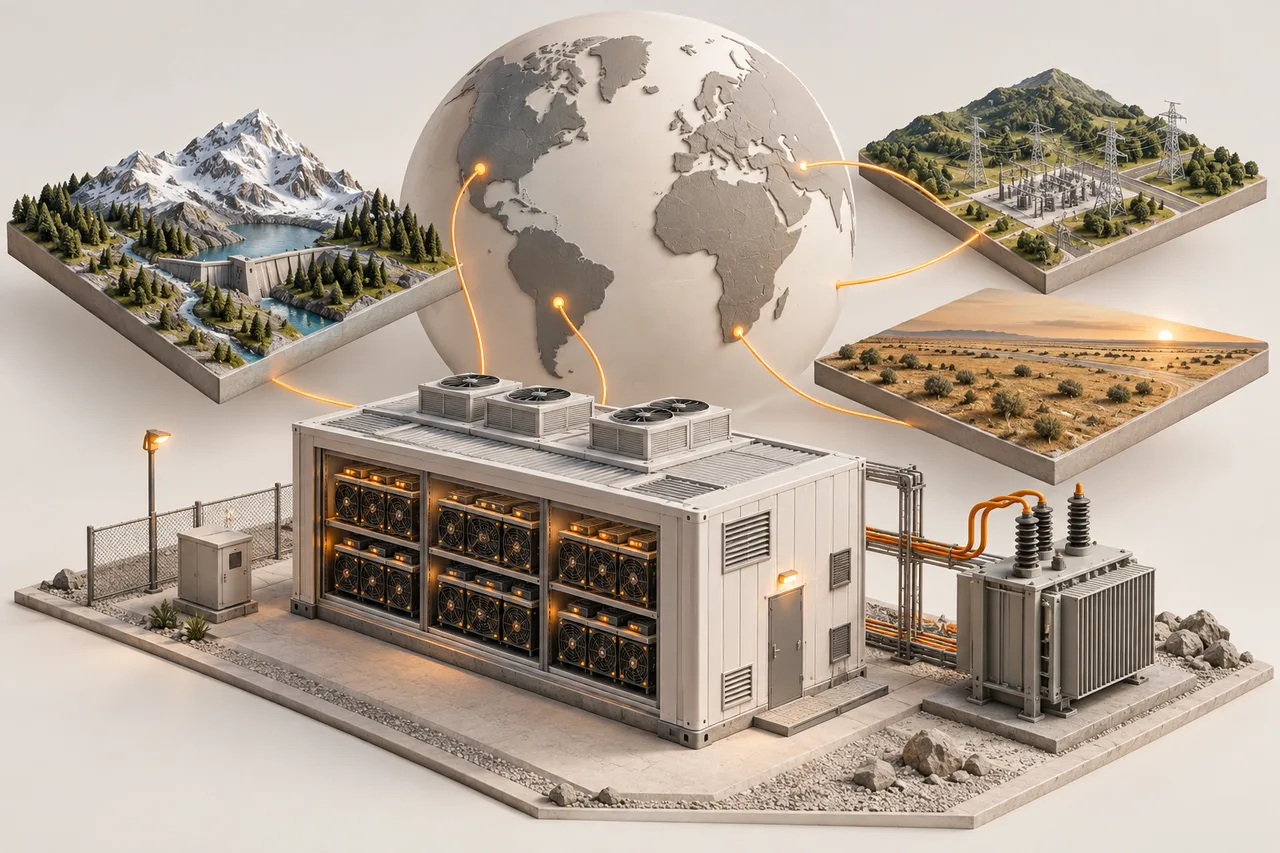
Researching a mining location
Explore three source-backed research locations. Compare the questions to ask—not invented country rankings or electricity offers.
 Industry & history
Milestones in mining
Explore five documented milestones in the protocol, cooling and energy research. A curated timeline, not an exhaustive industry history.
 Mining basics
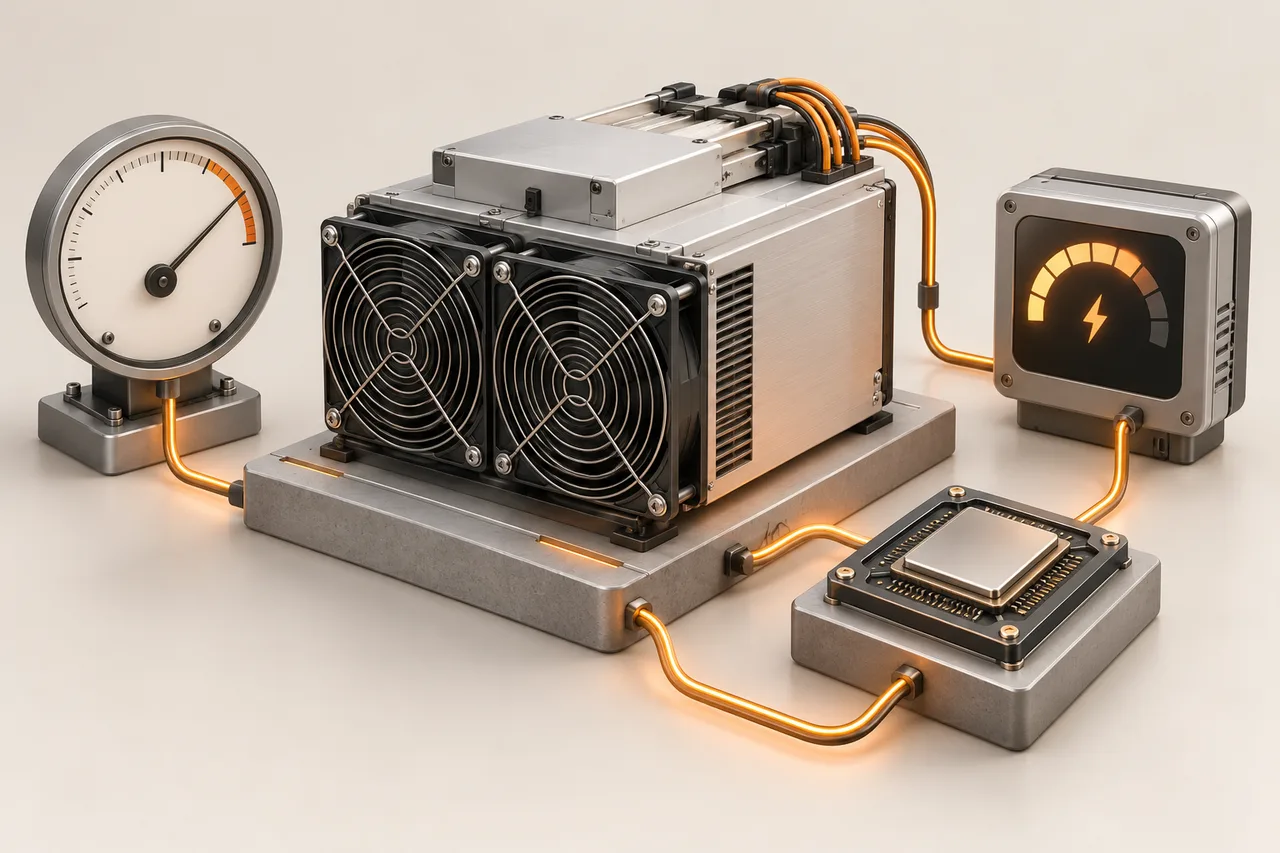
Read hashrate, watts and efficiency
Learn which numbers can be compared, convert the units, and build a specification sheet that describes the same operating mode.
 Costs & electricity
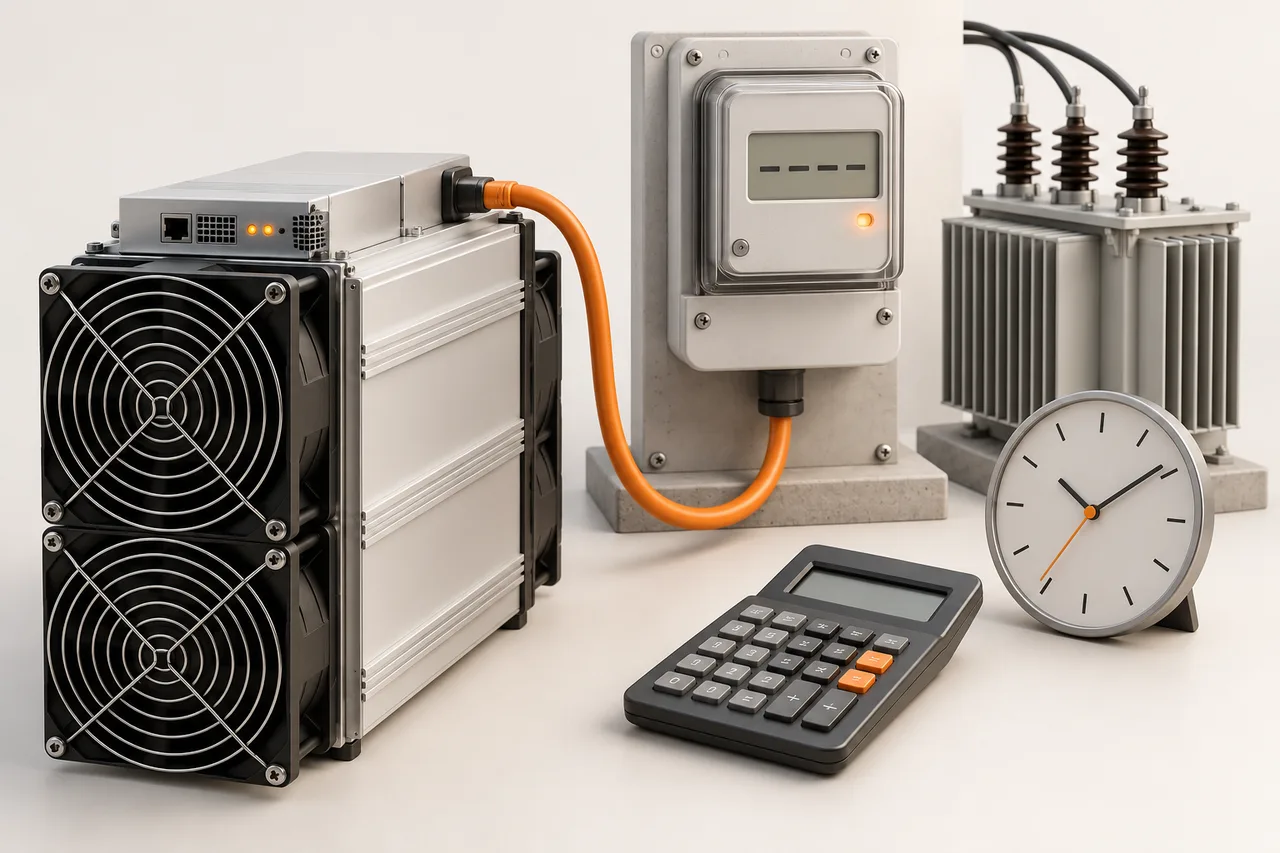
Build a mining operating-cost worksheet
Work from wall power to daily energy, then include the costs that a machine-only calculation misses.
 Pools & operations
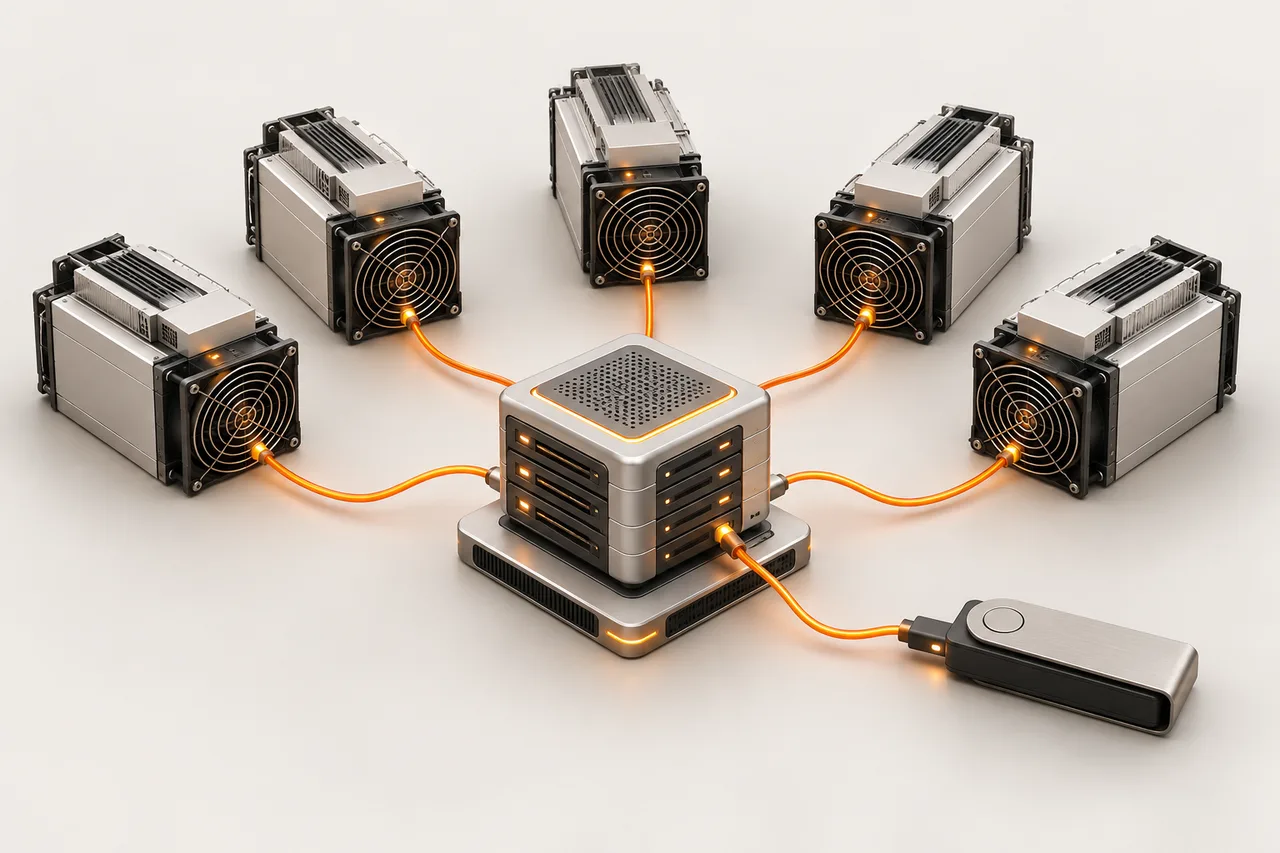
Choose a pool and understand payouts
Compare the supported network, payment method, payout threshold and account controls before moving hashrate.
 Cooling & deployment
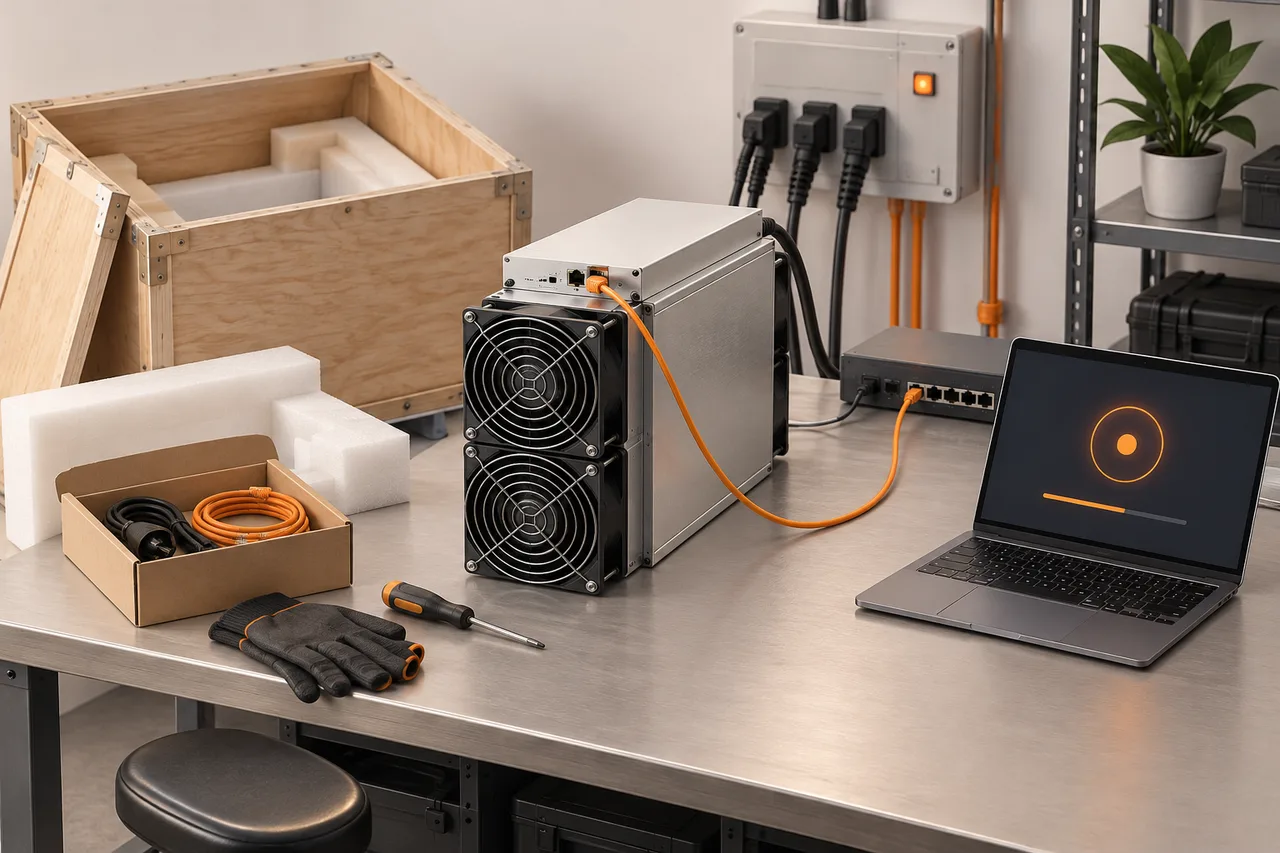
From delivery to the first accepted share
A practical handover sequence: identify the device, confirm the site, configure the worker and record a baseline.
 Pools & operations
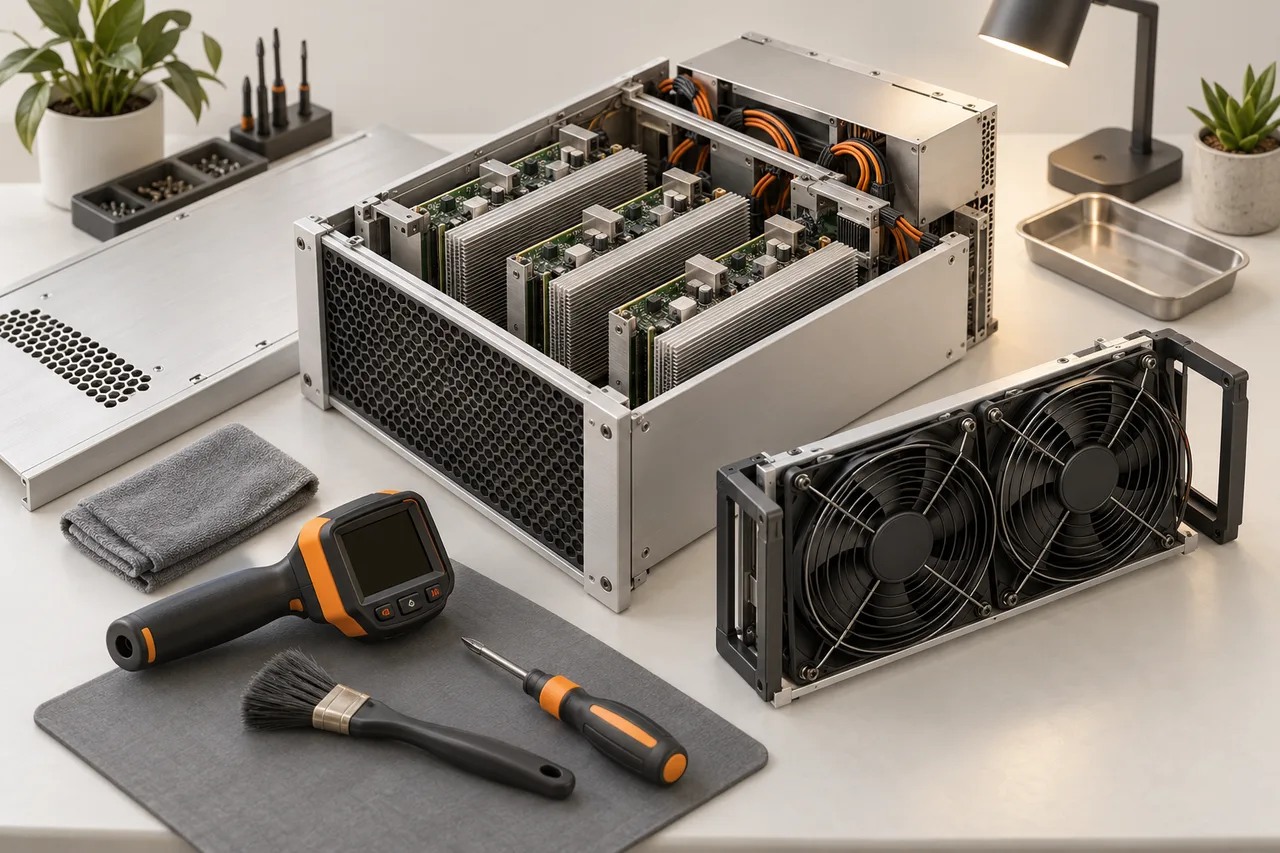
Monitor miners and investigate low hashrate
Use a consistent observation log to separate dashboard variation, network problems and equipment faults.
 Choosing hardware
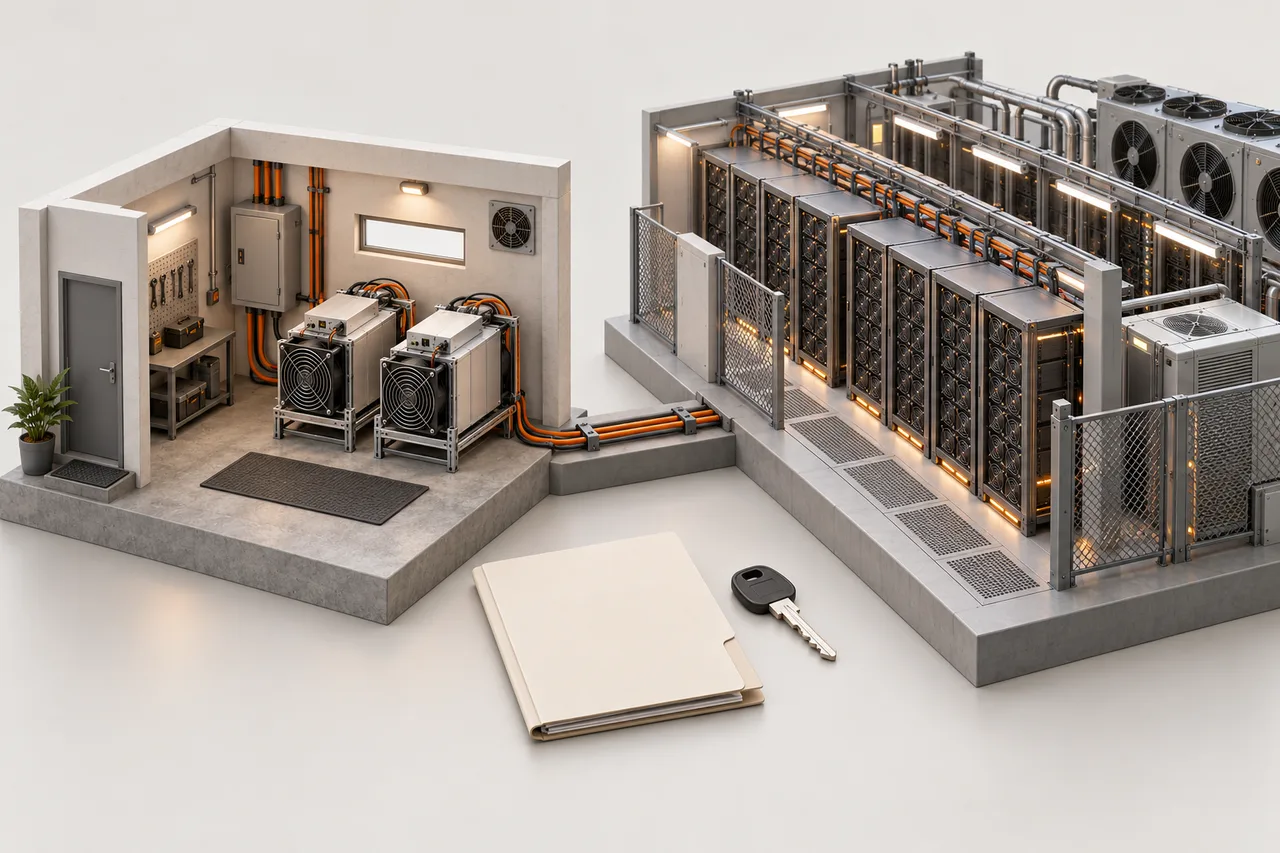
Compare hosting proposals and self-operation
A practical comparison worksheet for included costs, equipment access, reporting, repairs and exit arrangements.
 Cooling & deployment
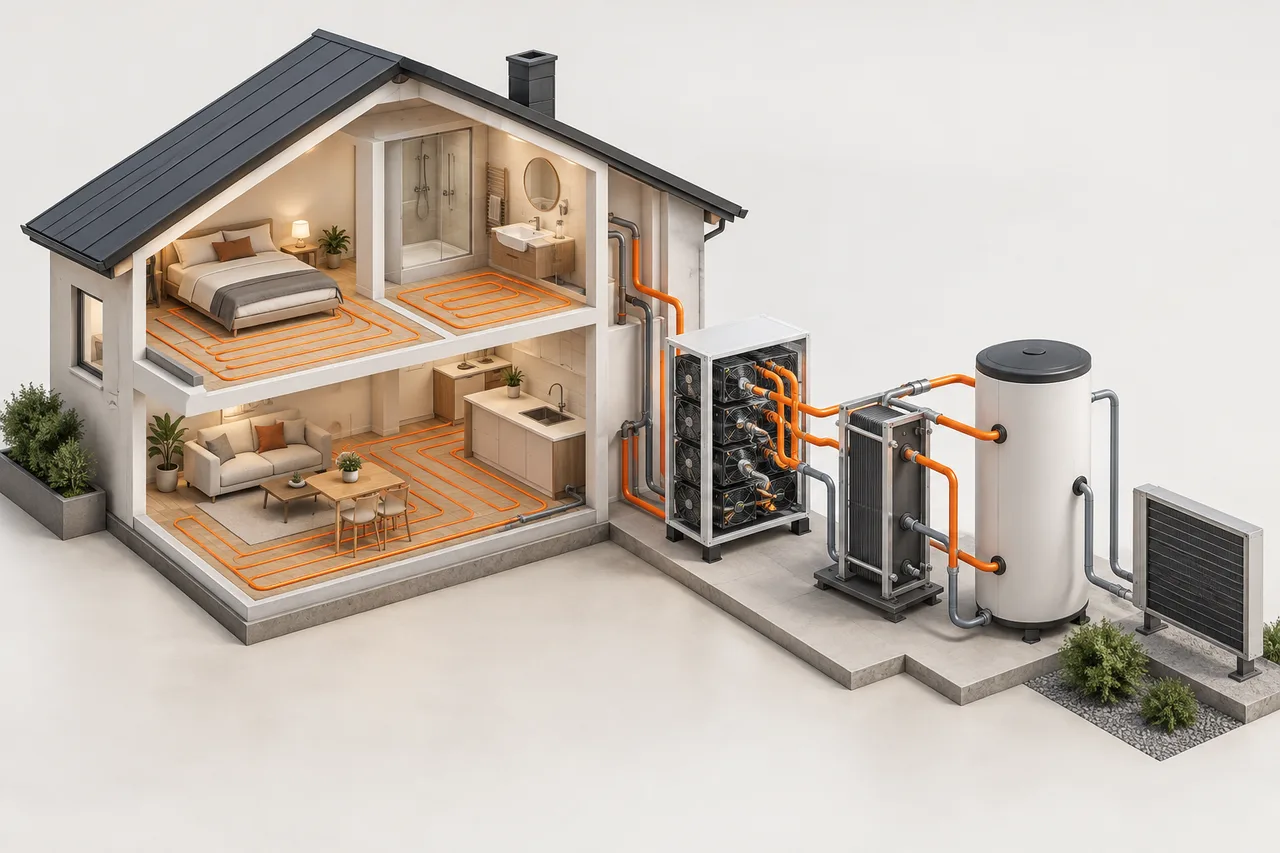
Plan mining heat reuse around real demand
Start with the heat user, connect the circuits correctly, and plan what happens when heating is not needed.
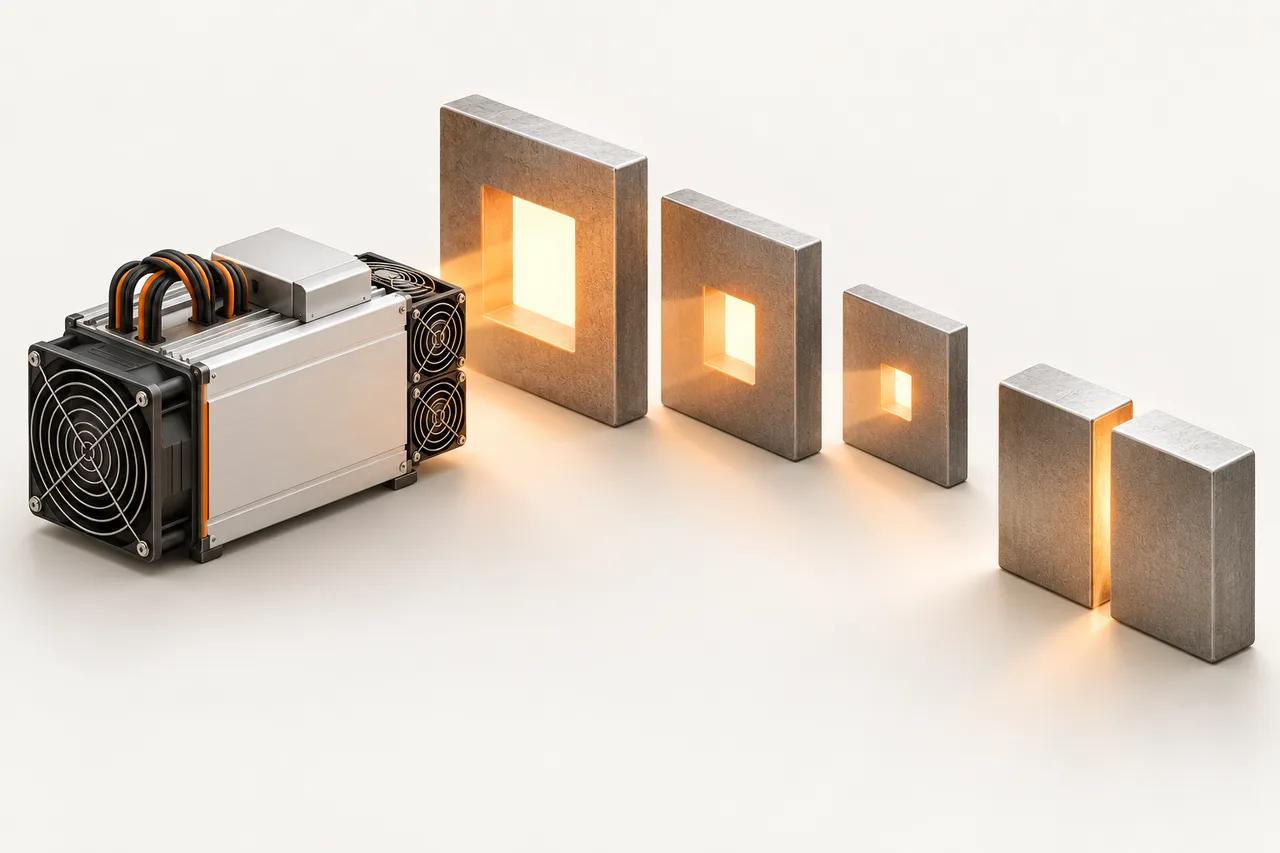 Mining basics
Difficulty, block rewards and halvings
Understand what changes your share of network production, and separate the block subsidy from transaction fees.
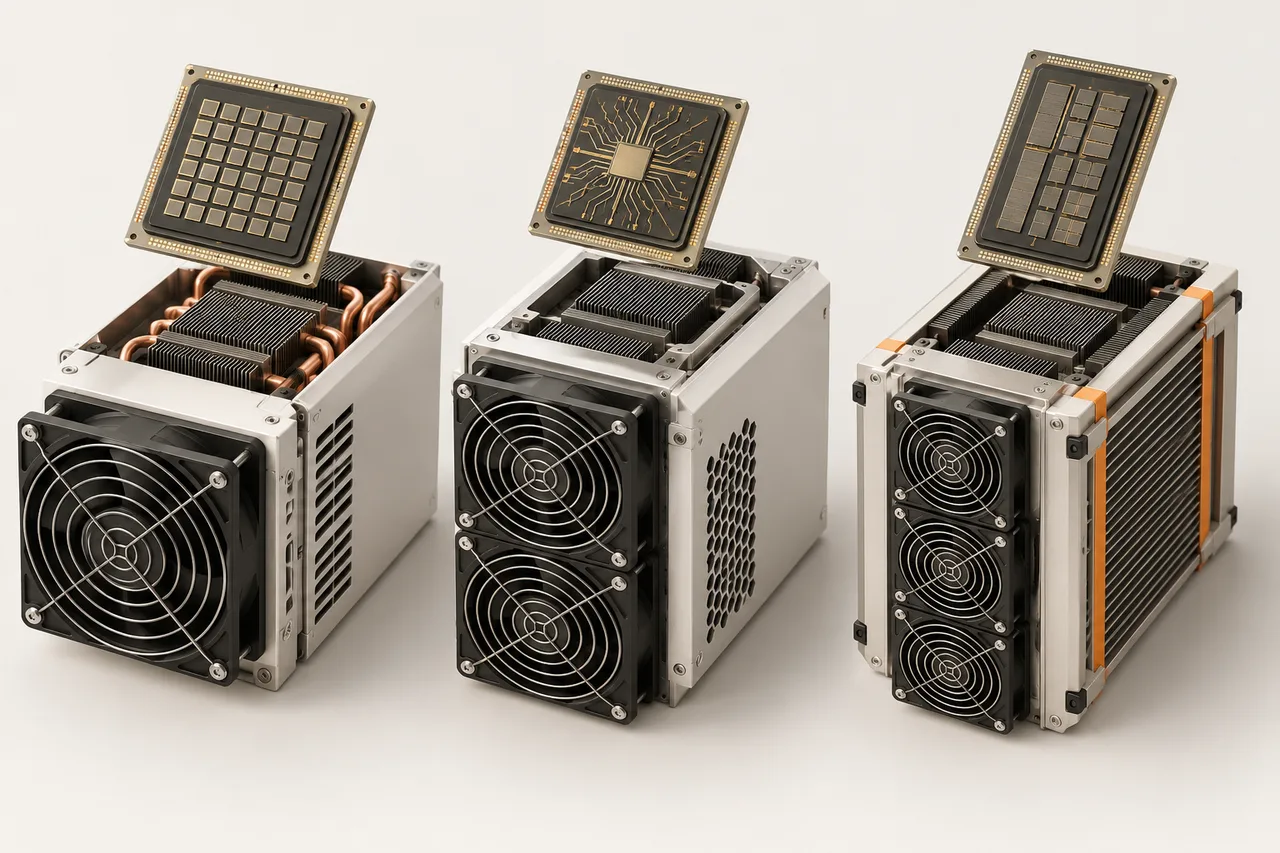 Mining basics
Algorithms, coins and merged mining
Choose the algorithm before comparing hashrate, then verify which networks and pool features the exact miner supports.
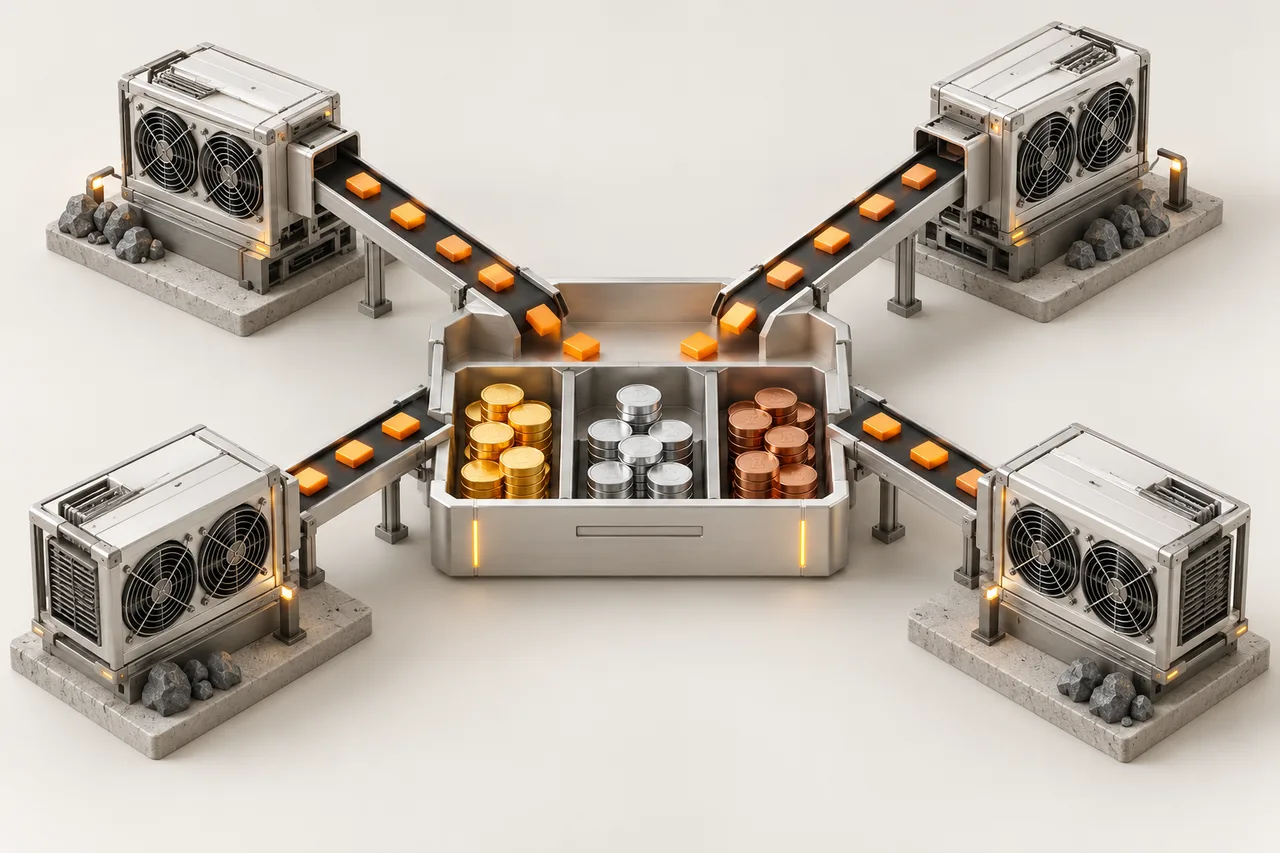 Pools & operations
PPS, FPPS, PPS+ and PPLNS explained
Compare how work is credited, who carries block-luck variance, and when rewards actually reach a wallet.
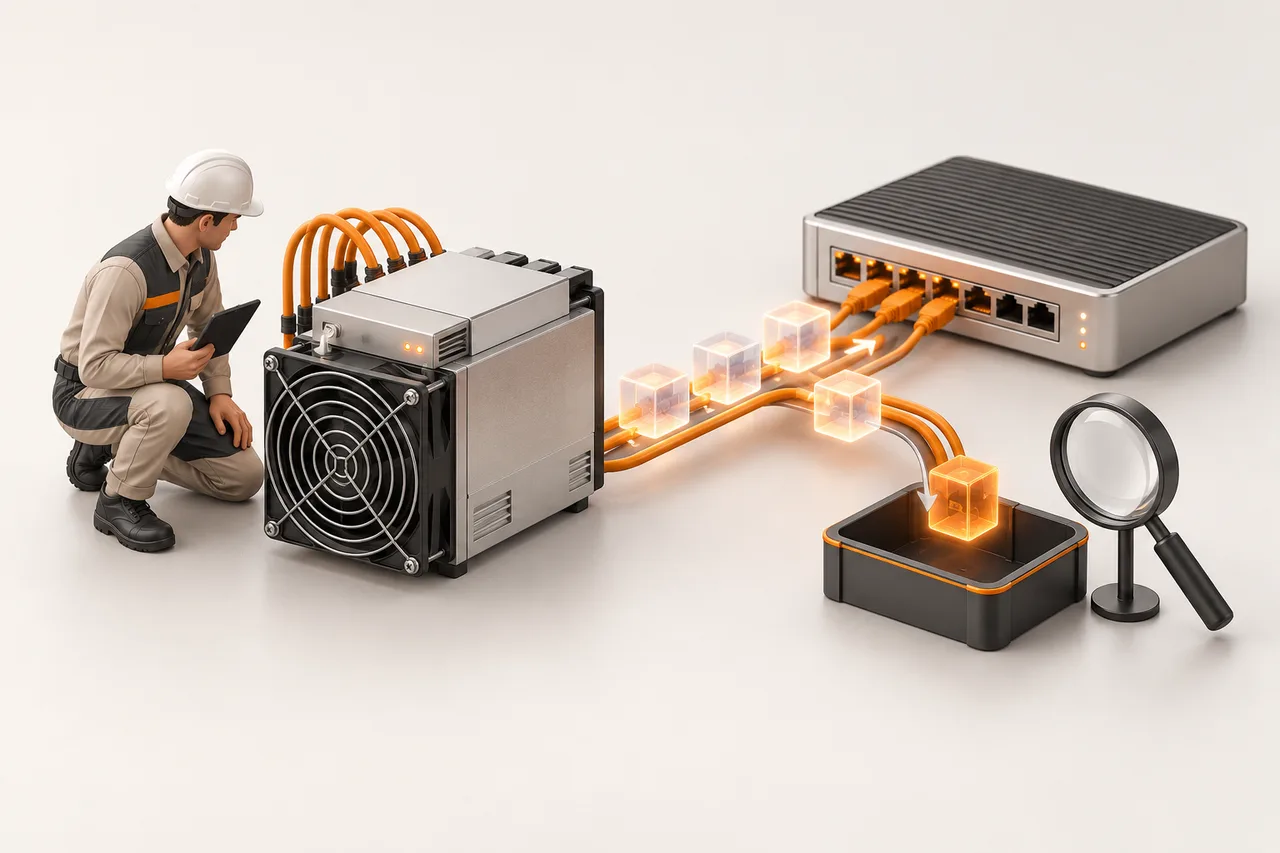 Pools & operations
Troubleshoot rejected shares and low pool hashrate
Align measurement windows, classify rejected work and test one change at a time.
 Pools & operations
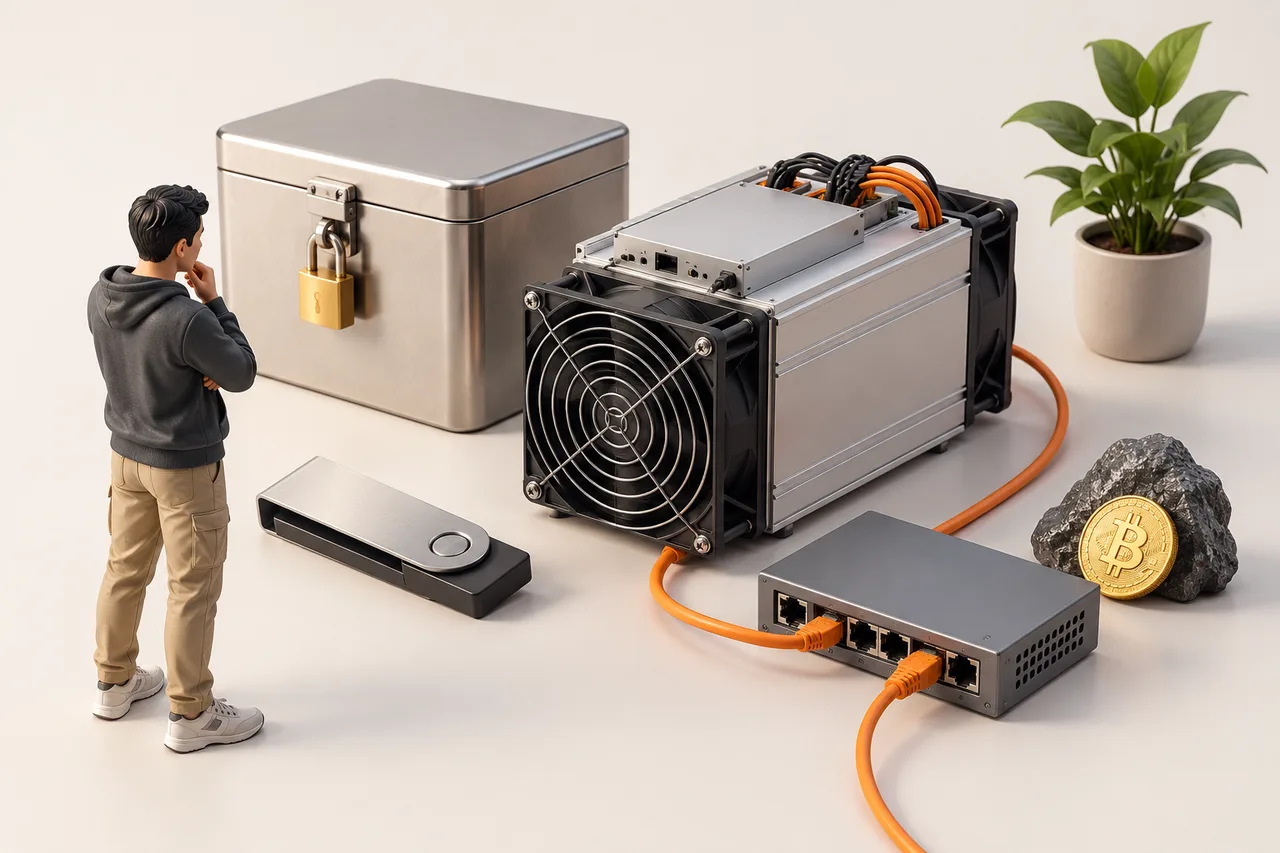
Wallet setup and mining payout checks
Trace a reward from the pool ledger to the correct wallet without exposing recovery information.
 Pools & operations
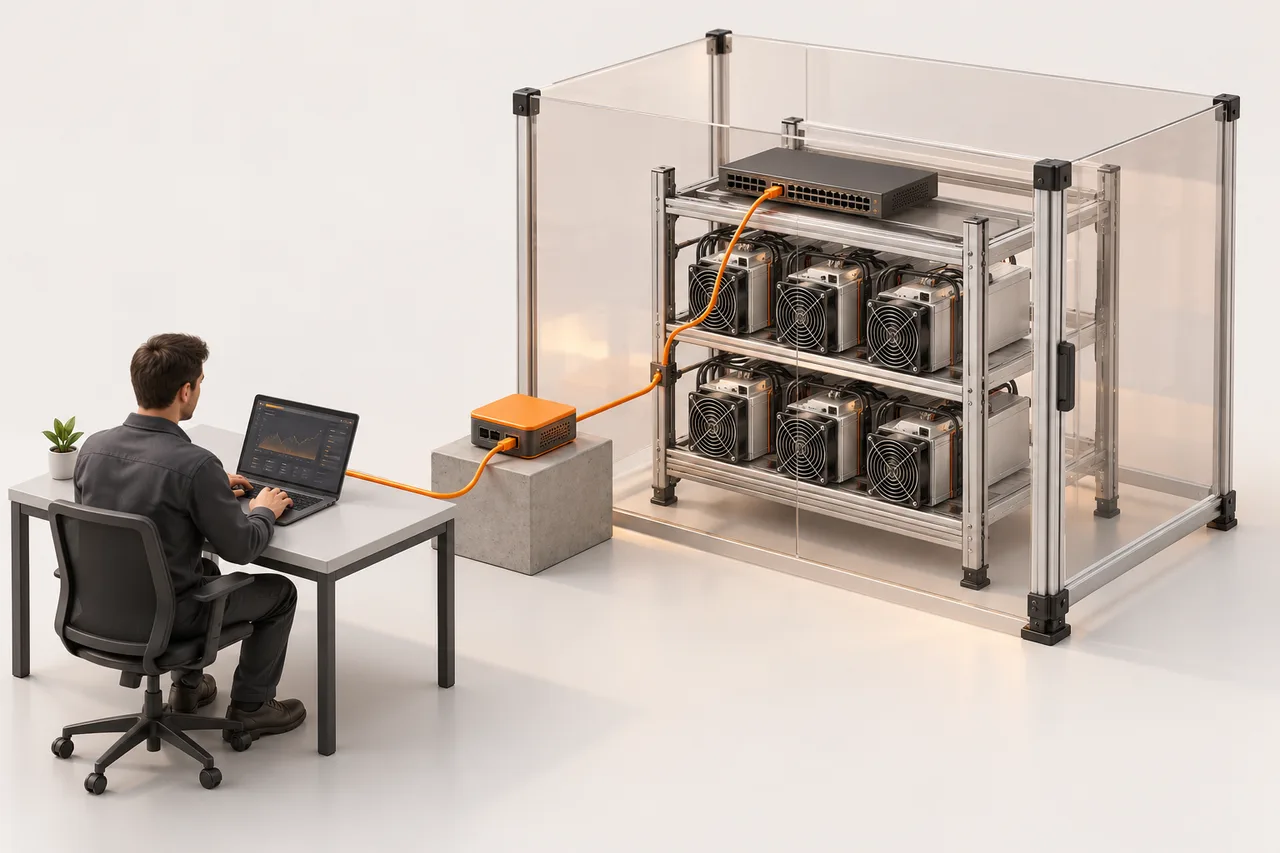
Secure miner networks and remote access
Map who can configure devices, protect pool settings and keep a recoverable record of network changes.
 Choosing hardware
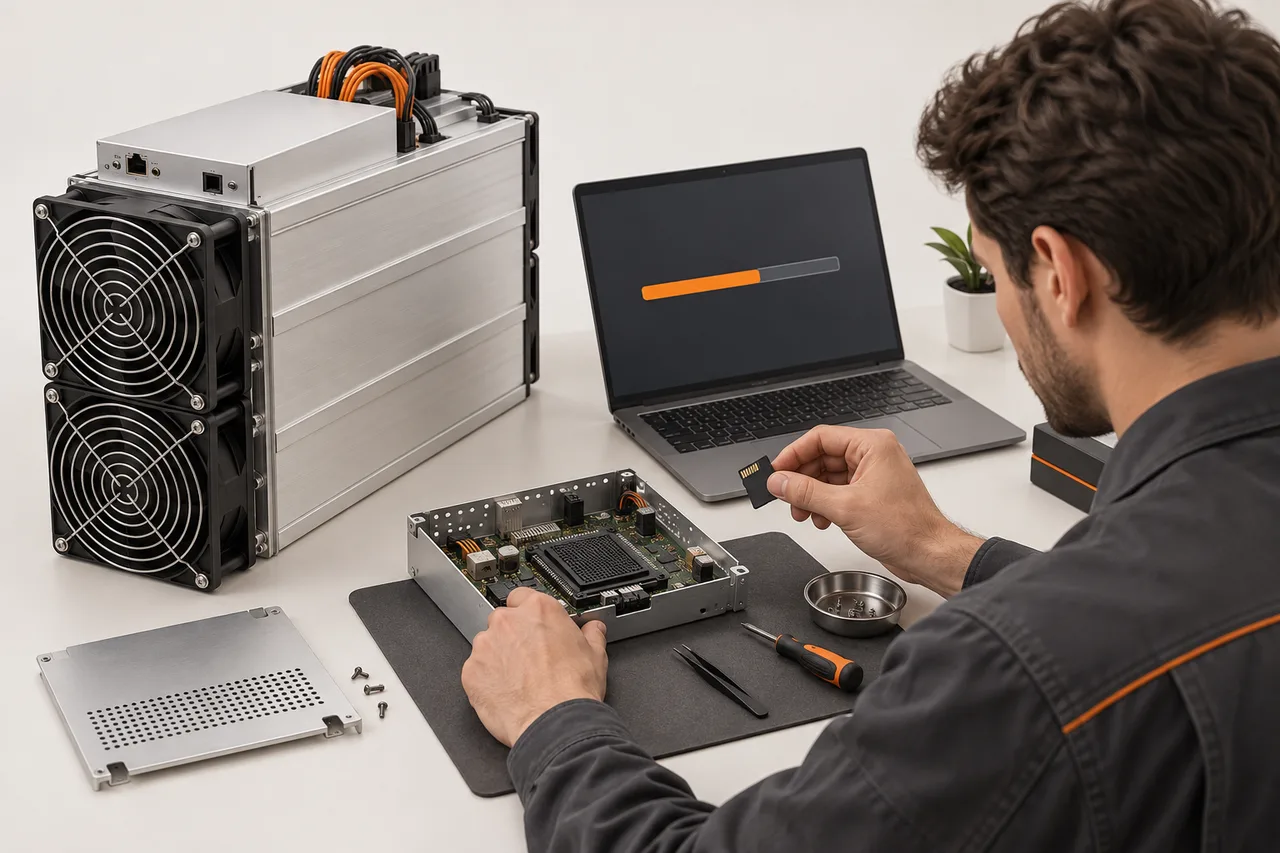
Upgrade miner firmware with a recovery plan
Match the image to the controller, test a representative machine and verify production after the upgrade.
 Choosing hardware
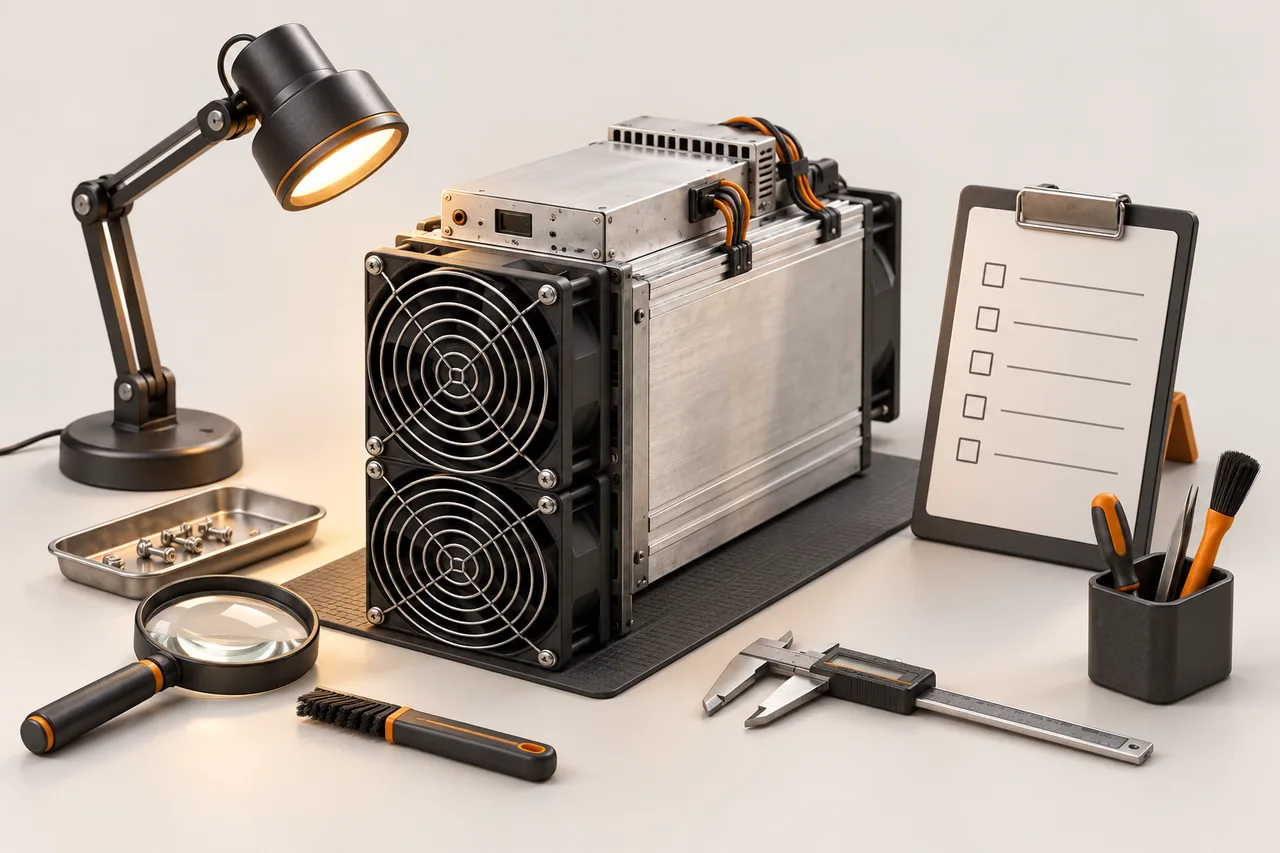
Inspect and accept a used ASIC miner
Connect the serial number, physical condition, operating logs and pool output in one acceptance record.
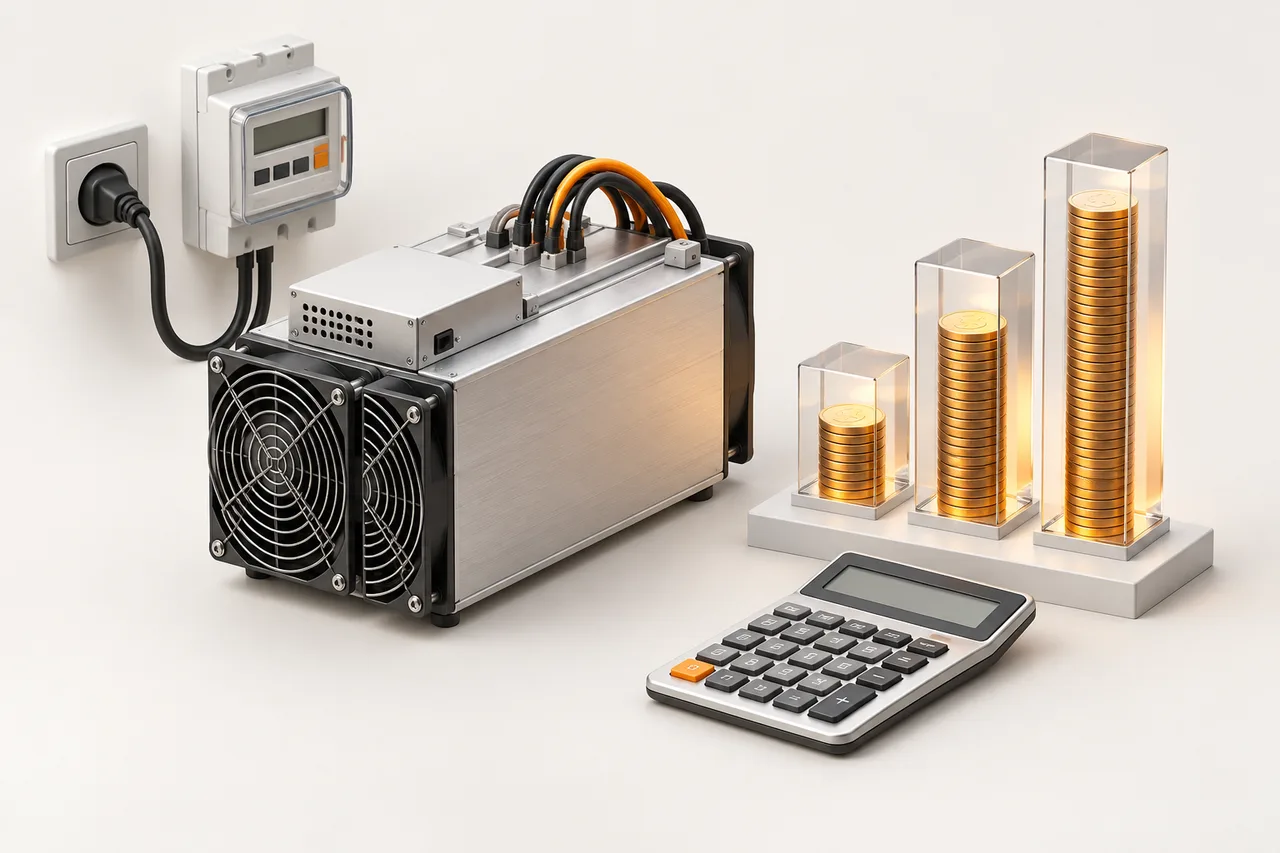 Costs & electricity
Build a mining revenue and break-even model
Use dated inputs, consistent units and multiple scenarios to understand cash flow before estimating payback.
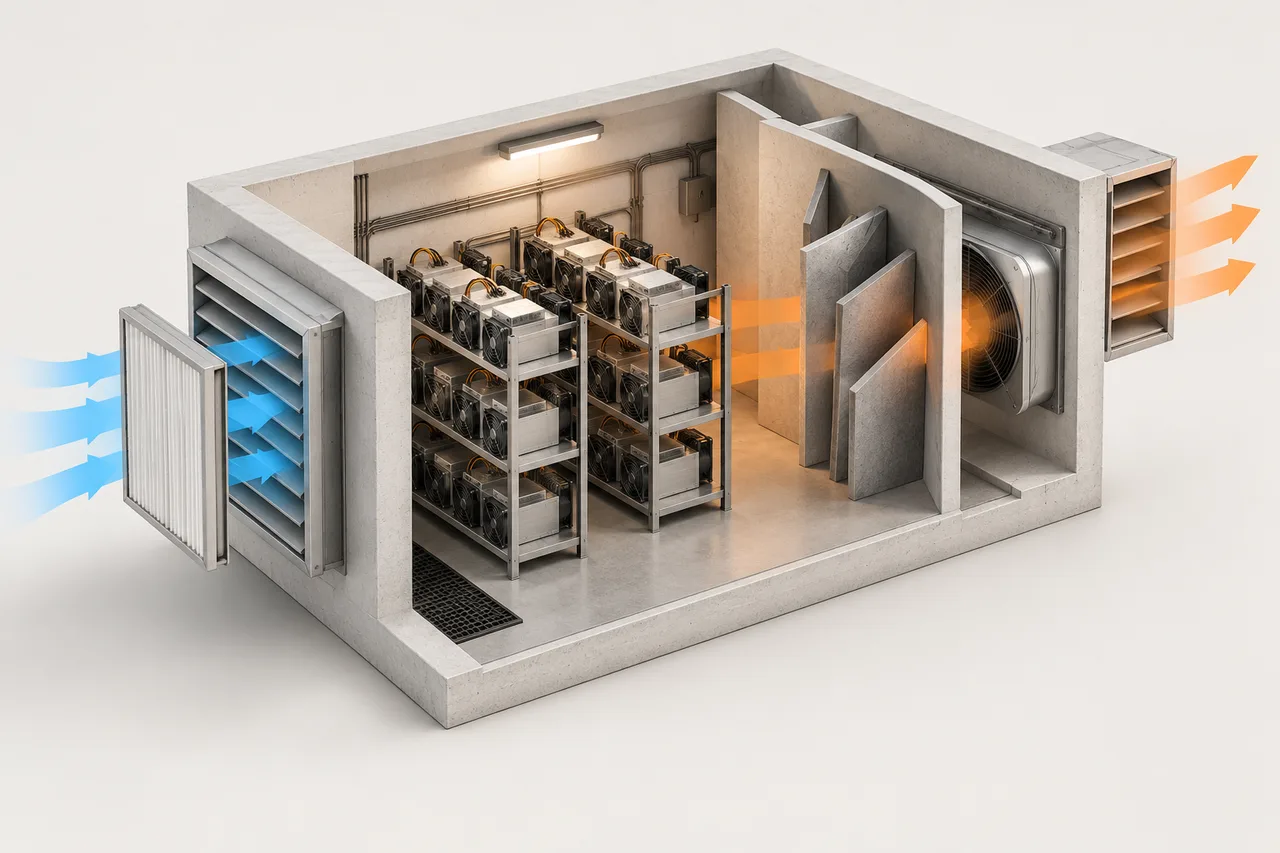 Cooling & deployment
Plan airflow, dust control and mining noise
Follow heat from the miner inlet to the outdoor exhaust, then assess noise without restricting cooling.
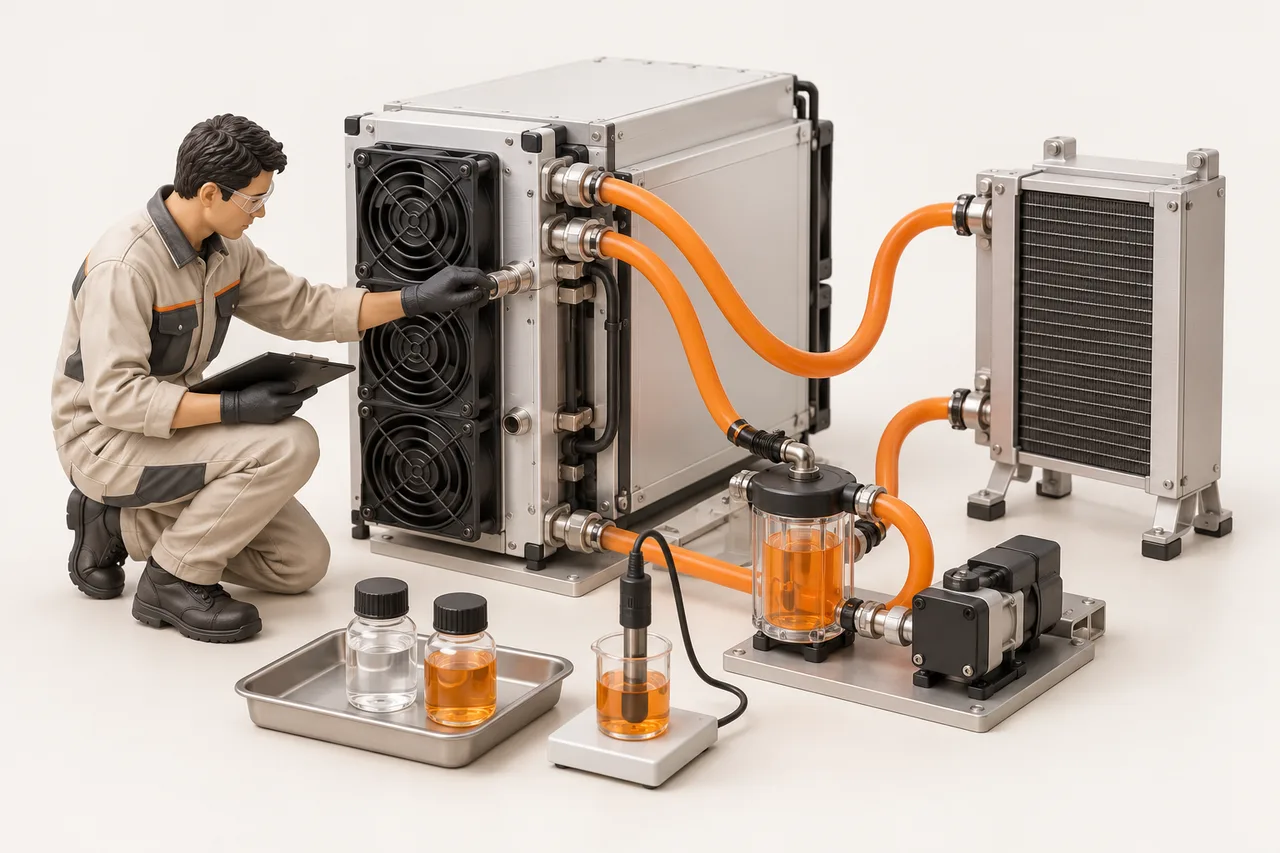 Cooling & deployment
Hydro coolant quality and loop commissioning
Identify the right fluid specification for each circuit and keep sampling, flow and maintenance records together.
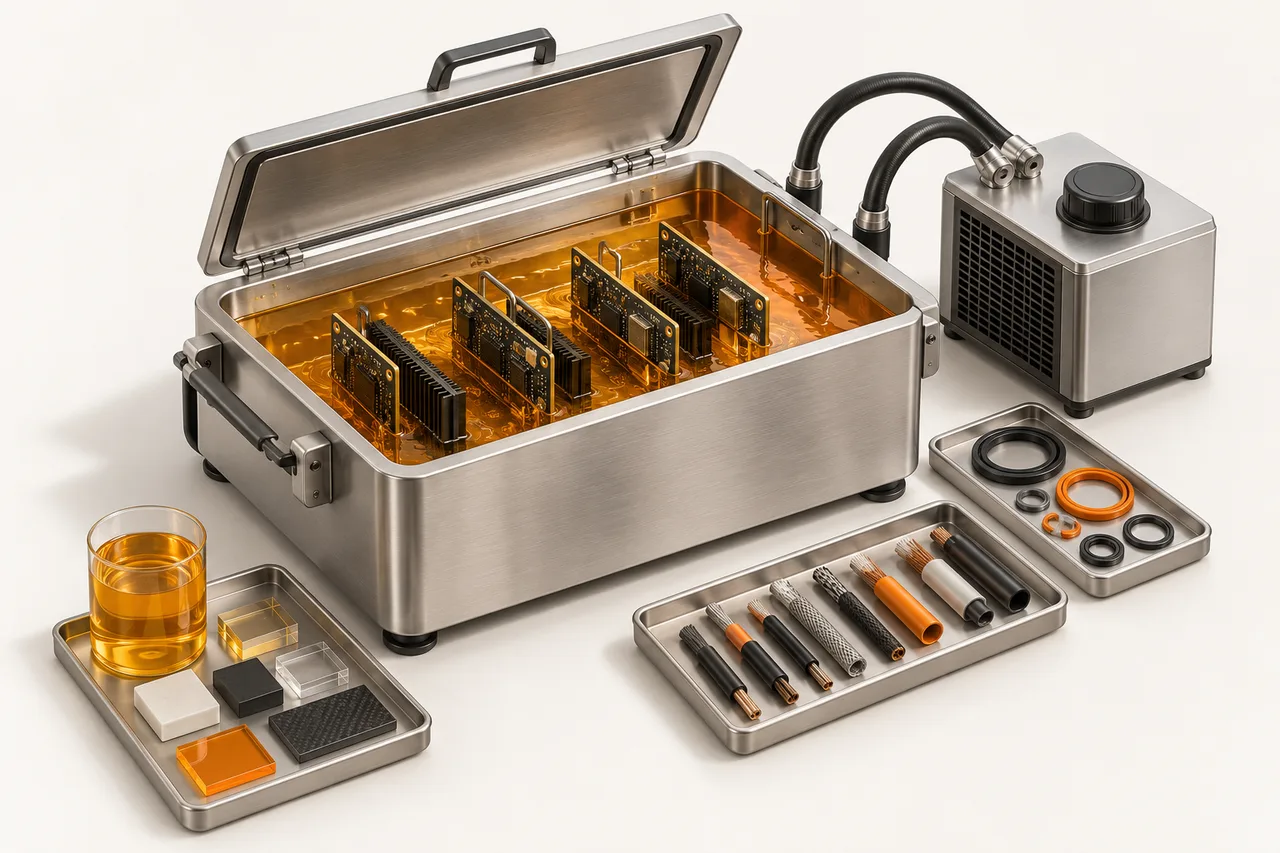 Cooling & deployment
Select immersion fluid and verify compatibility
Evaluate the fluid, electronics, seals and servicing process as one system before converting equipment.
Mining basicsBitcoin mining FAQ
Five foundational questions from Bitcoin.org: how mining works, why it uses energy, how it secures the network and what you need to begin.
See how it all connects.
Understand what makes a miner work.
Build a foundation in mining, equipment performance and electricity costs.
- 01STEP 1
How Bitcoin mining works
Follow one connected system: proof of work, computing power, a mining pool and the electricity that keeps it running.
- 02STEP 2
Read hashrate, watts and efficiency
Learn which numbers can be compared, convert the units, and build a specification sheet that describes the same operating mode.
- 03STEP 3
Build a mining operating-cost worksheet
Work from wall power to daily energy, then include the costs that a machine-only calculation misses.
Common questions.
Find an answer, then go deeper.
What is Bitcoin mining?
Read Bitcoin.org’s five answers about proof of work, network security, energy use and getting started, reproduced with attribution and its official translations.
Read the full guide ↗Where should I start if I am new to mining?
Start with how mining works, then read the equipment parameters guide. Before choosing a model, establish your available power, cooling arrangement and operating location.
Read the full guide ↗Can hashrates from different algorithms be compared?
No. Compare hashrate within the same algorithm and unit, then check power and operating mode. A SHA-256 TH/s value and a Scrypt GH/s value describe different work.
Read the full guide ↗Does the electricity calculation include cooling?
Only if their power is part of the input or the service rate. List pumps, ventilation and shared equipment separately and check what a hosting quote includes.
Read the full guide ↗Why does pool hashrate differ from the miner dashboard?
The measurements can use different averaging periods. Match the time windows, then inspect uptime and accepted or rejected work before assuming a device fault.
Read the full guide ↗Does a pool balance mean my wallet has been paid?
No. Credited rewards, a completed payout and a wallet receipt are separate records. Check the payout threshold, schedule and receiving network.
Read the full guide ↗Can a hydro miner run without a cooling system?
It needs a compatible circulation and heat-rejection system. Confirm the exact model’s liquid and operating requirements and complete the cooling checks before startup.
Read the full guide ↗What should I compare in a hosting proposal?
Compare installation, auxiliary power, monitoring, repairs, downtime billing and equipment retrieval. Keep included services and extra charges in separate rows.
Read the full guide ↗What happens to heat when heating is not needed?
Plan an alternative heat-rejection path or adjust the operating schedule. The proposal should address warm weather, changes in demand and maintenance as well as winter.
Read the full guide ↗