


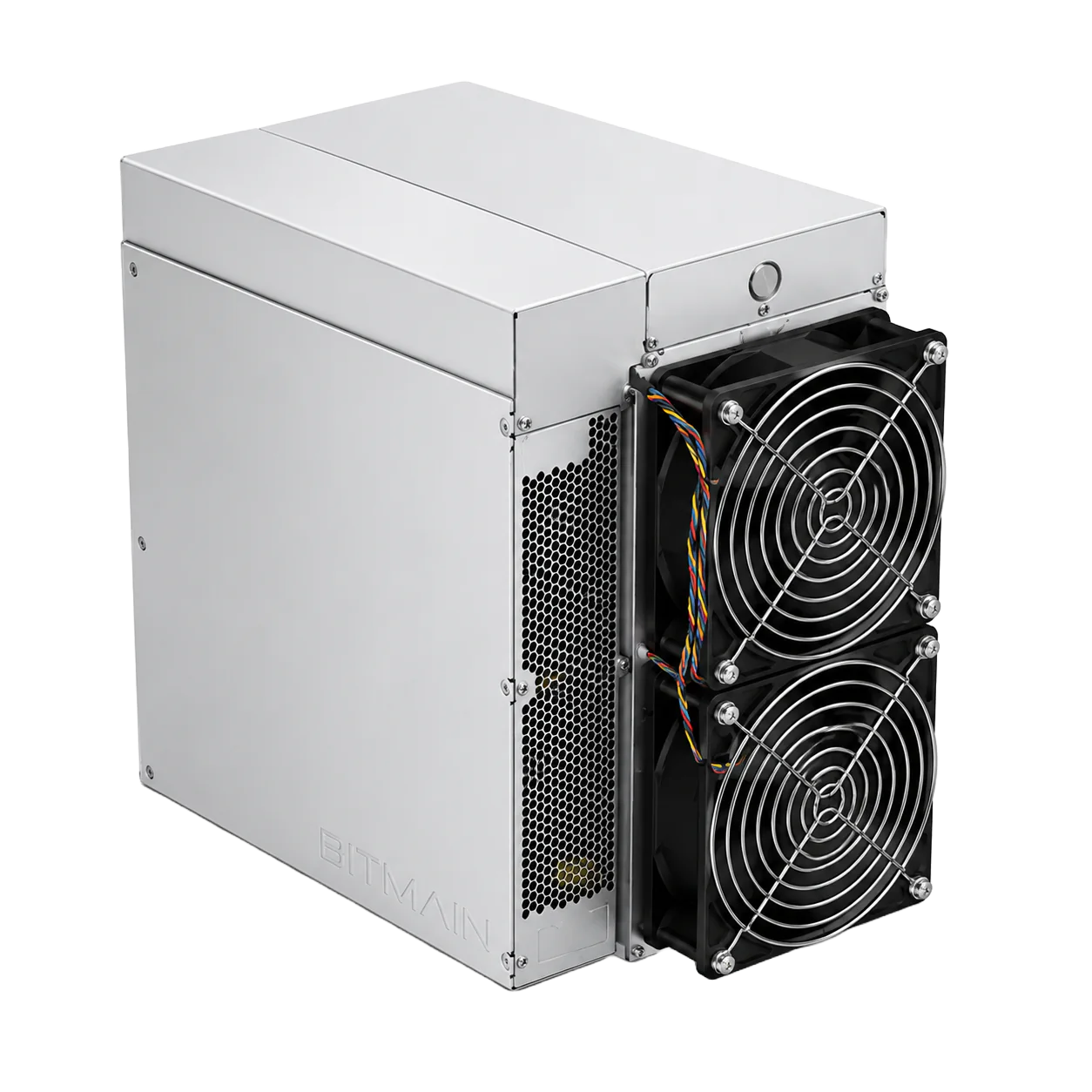
PRE-ORDER
Bitmain
Antminer D7 (1.286Th)
Hashrate1.286 TH/S
Power3148 W
Efficiency2.45 J/Th
AlgorithmX11
$2,595
Daily$0.72

Curated collection
Miners ranked by joules per TH/s - the single number that most dominates long-run ROI. Efficient miners stay profitable longer as network difficulty climbs and electricity prices fluctuate, which is why the best buy isn't always the highest hashrate.
Bitmain
Antminer D7 (1.286Th)

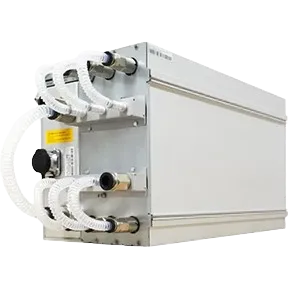
Bitmain
Antminer S23 XP Hyd (600Th)
Bitmain
Antminer S23 Hyd 3U (1.16Ph)
Bitmain
Antminer S23 Hyd (563Th)
Bitmain
S23e U2H Hyd
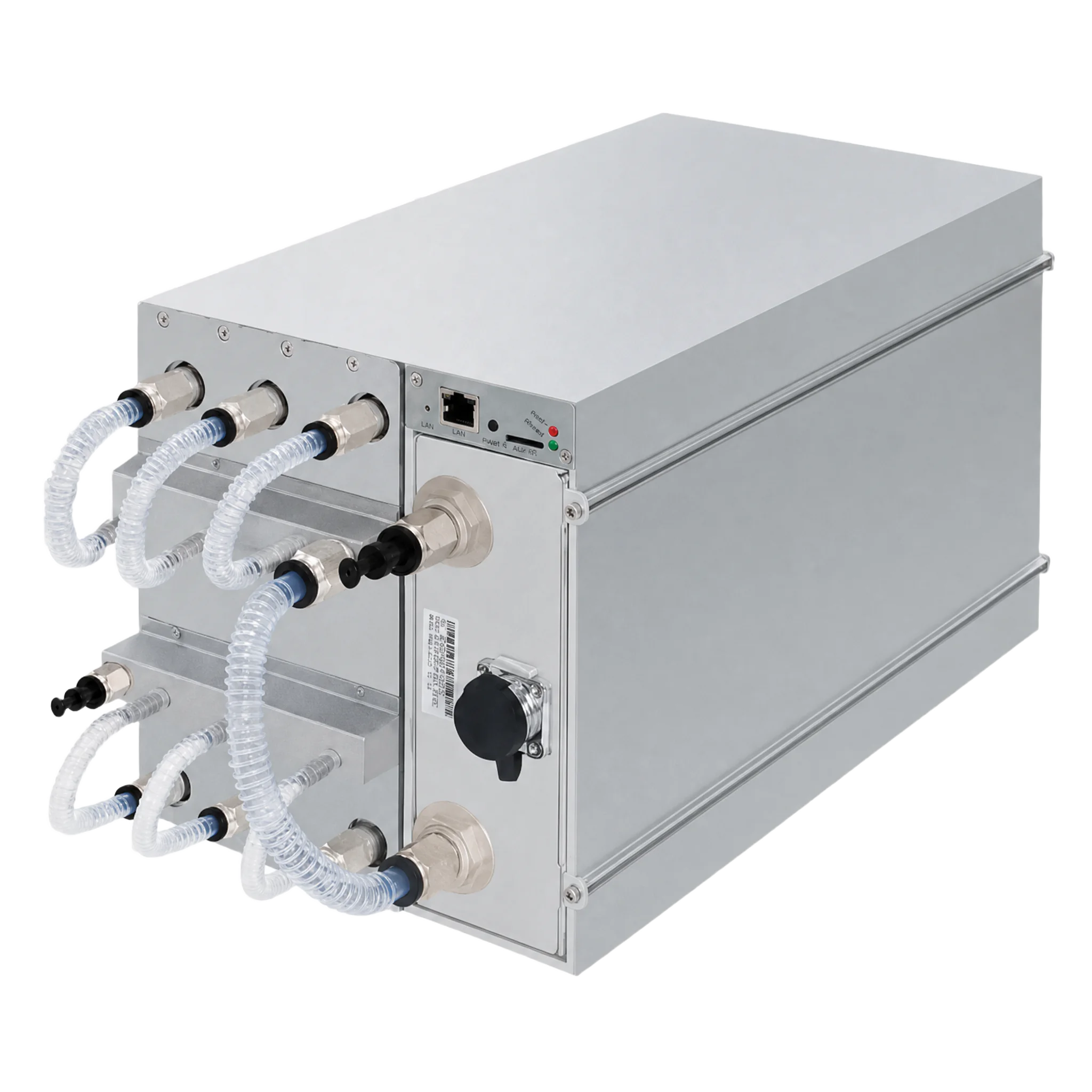
Bitmain
Antminer S21 XP+ HYD (480Th)
Bitmain
Antminer S21 XP+ HYD (500Th)
Bitmain
Antminer S23 (318Th)
Bitmain
Antminer S23 Immersion (368Th)
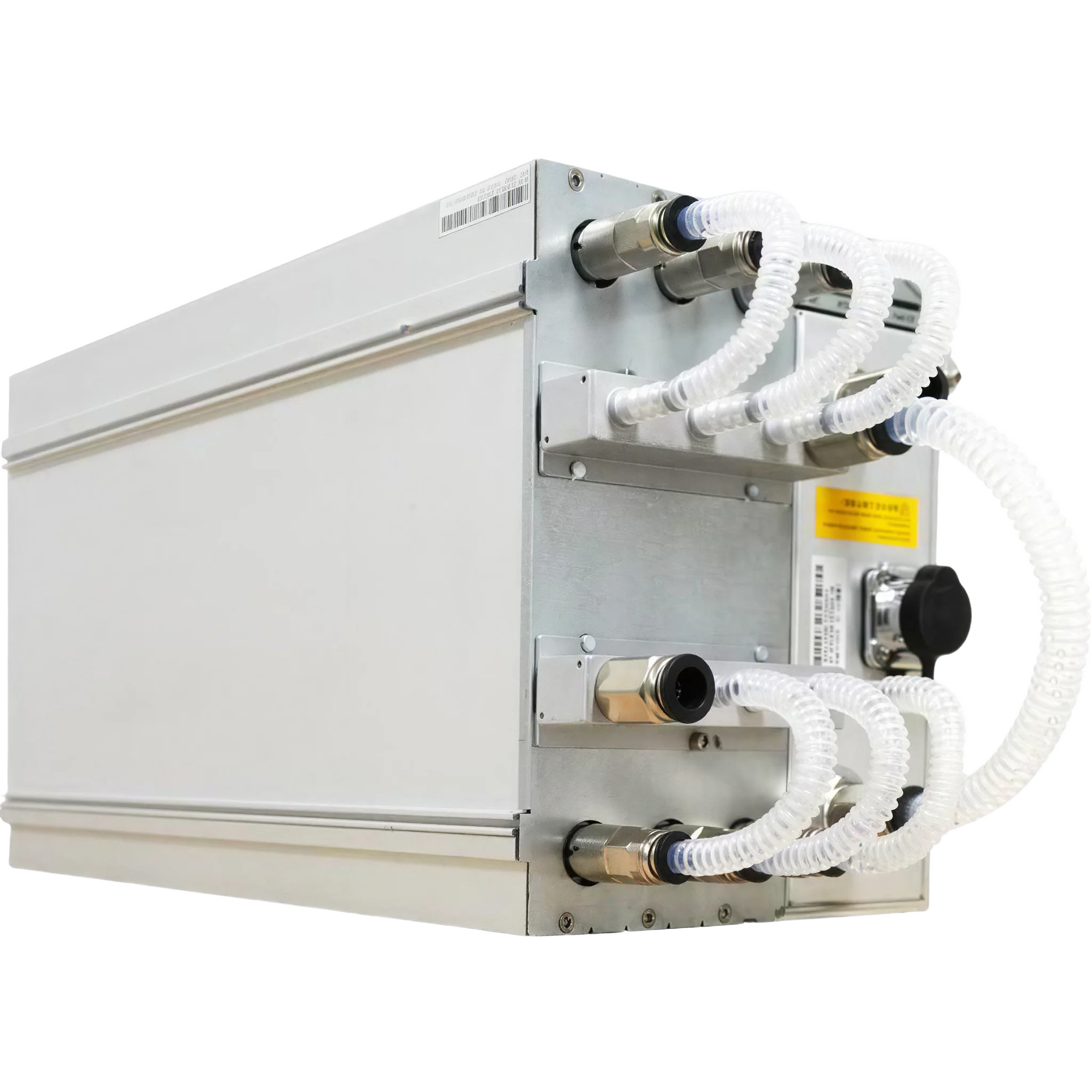
Bitmain
Antminer S21j XP Hyd (495Th)
Bitmain
Antminer S21 XP Hyd (473Th)
Bitmain
Antminer S23 Immersion (442Th)

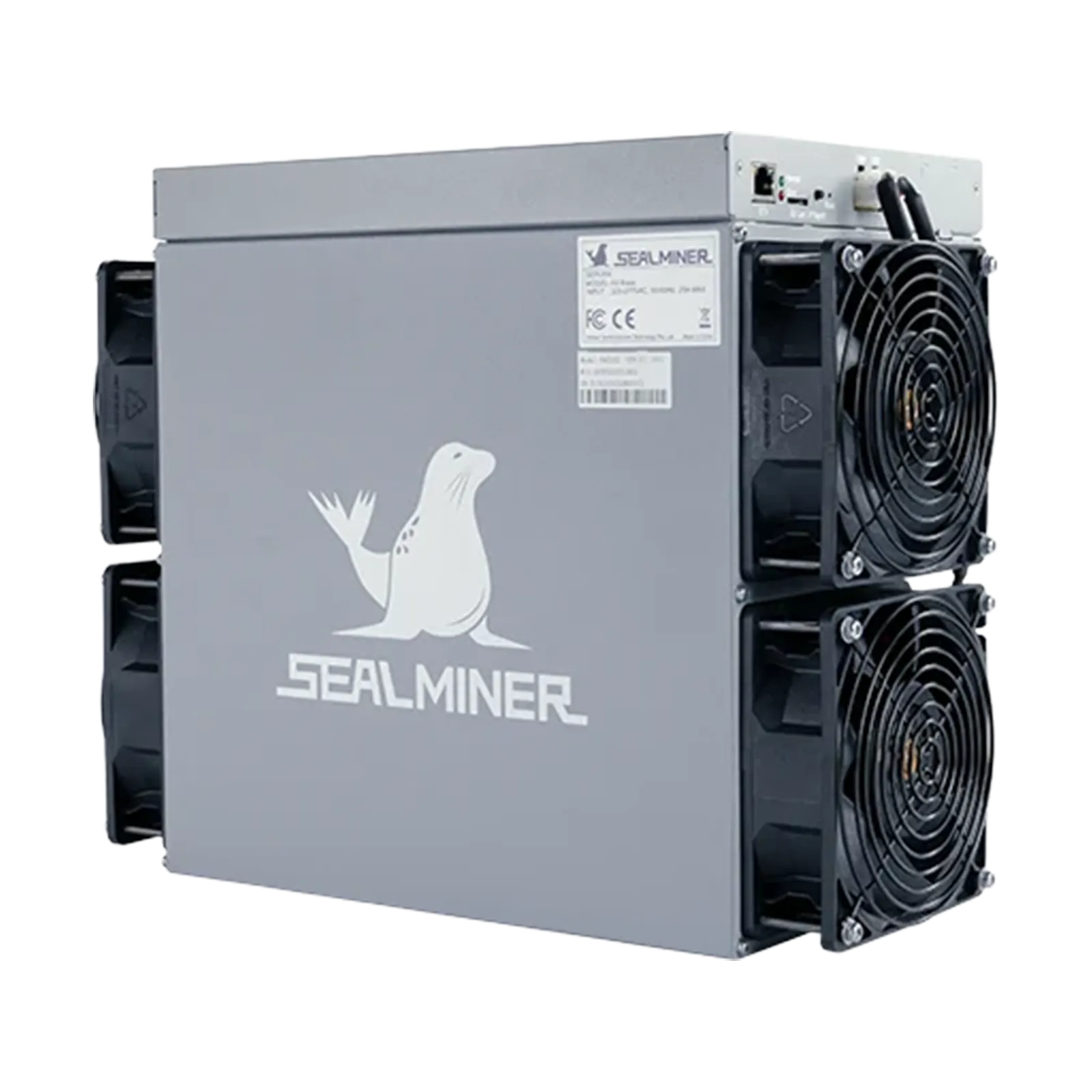
Bitdeer
Sealminer A3 Pro Air (290Th)
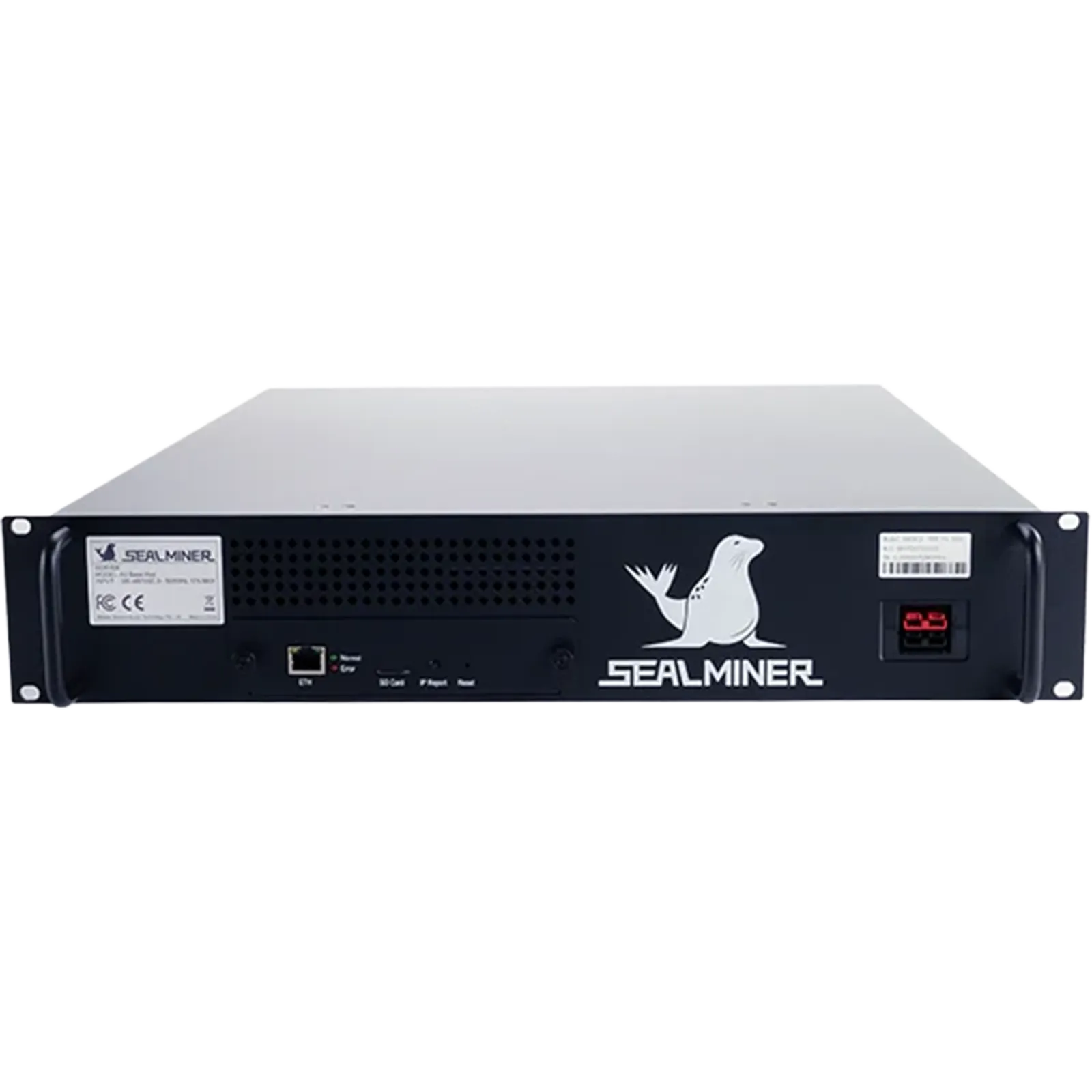
Bitdeer
Sealminer A3 Pro Hydro (660Th)

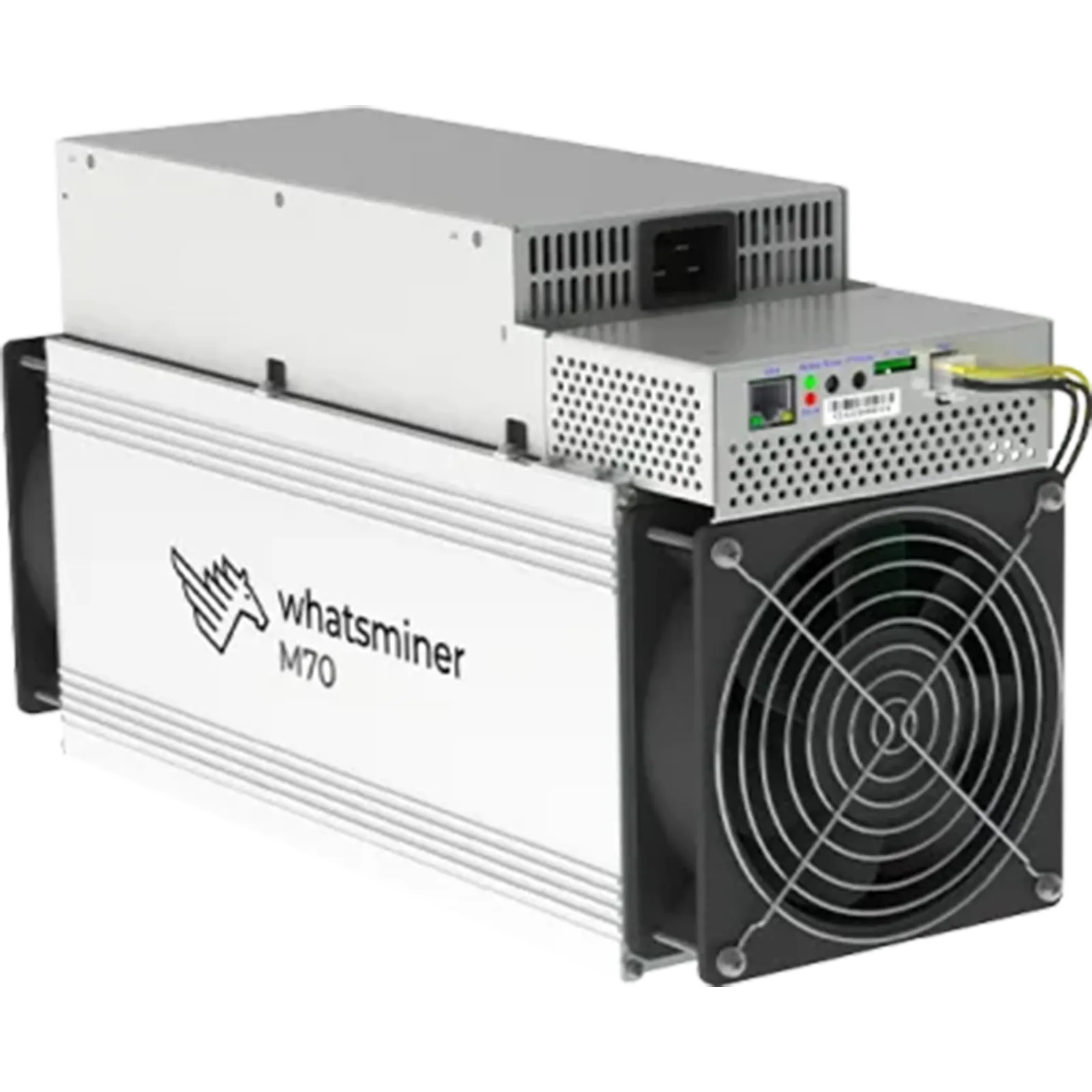
WhatsMiner
Whatsminer M70S+ (262Th)
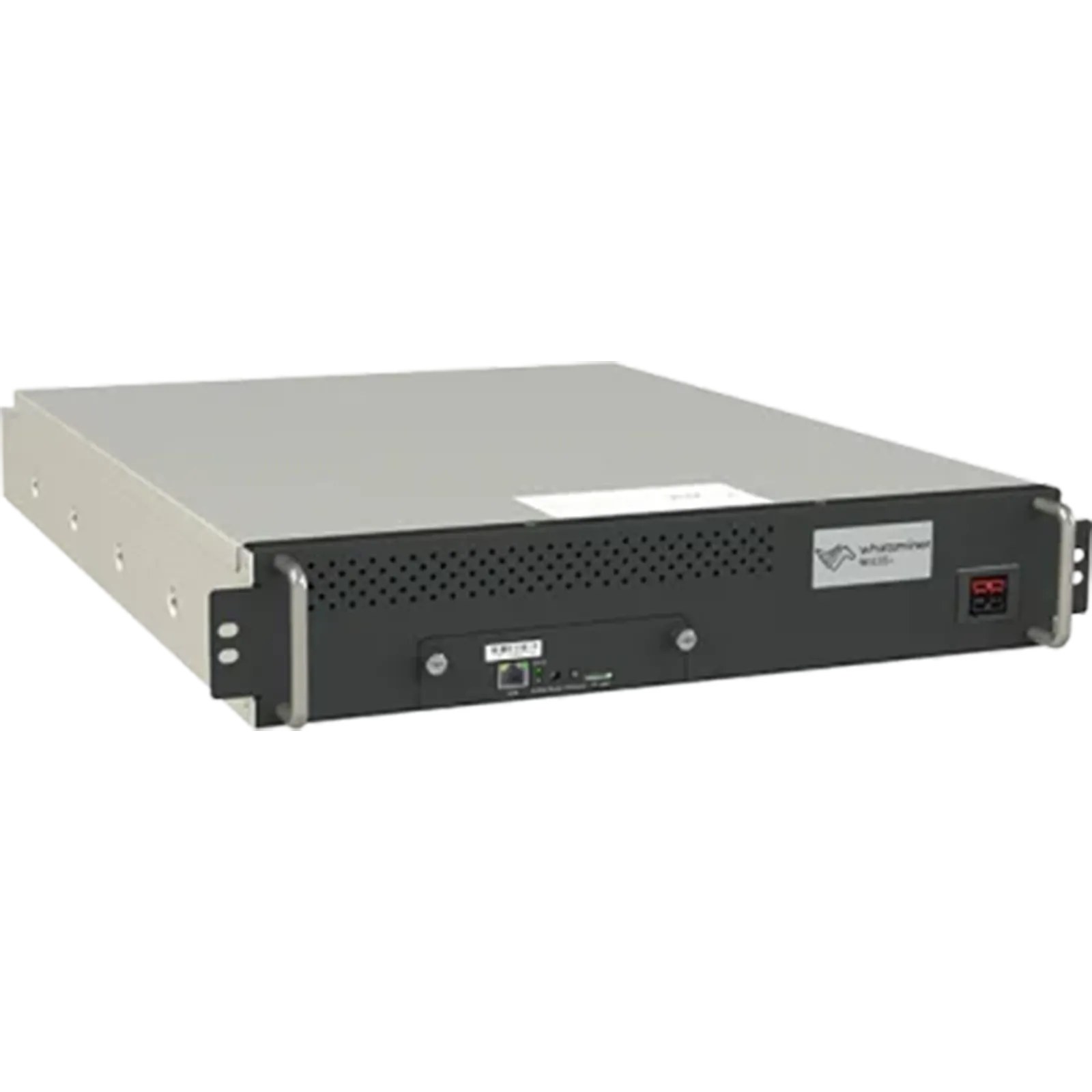
WhatsMiner
Whatsminer M73S+ (570Th)
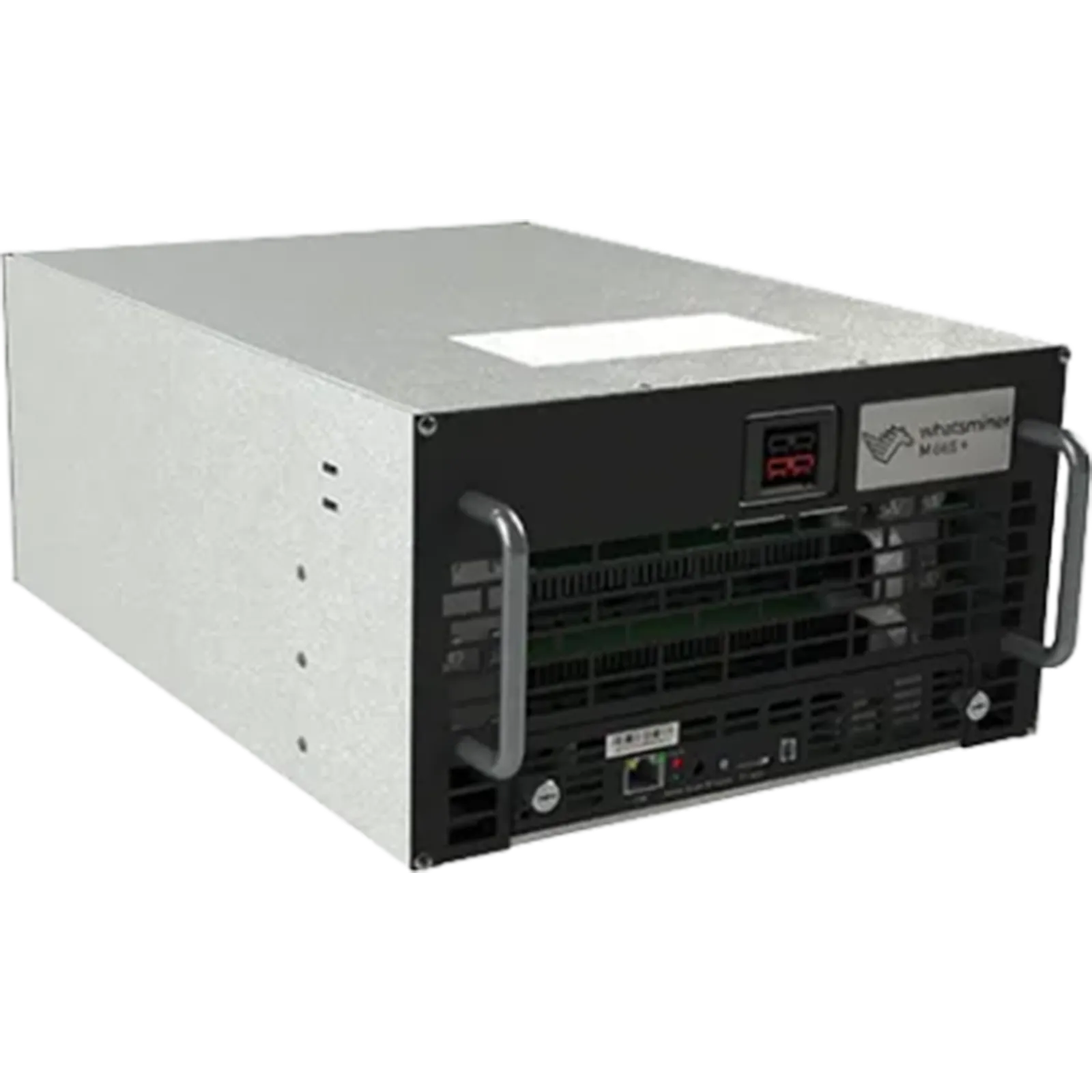
WhatsMiner
Whatsminer M76S+ (416Th)
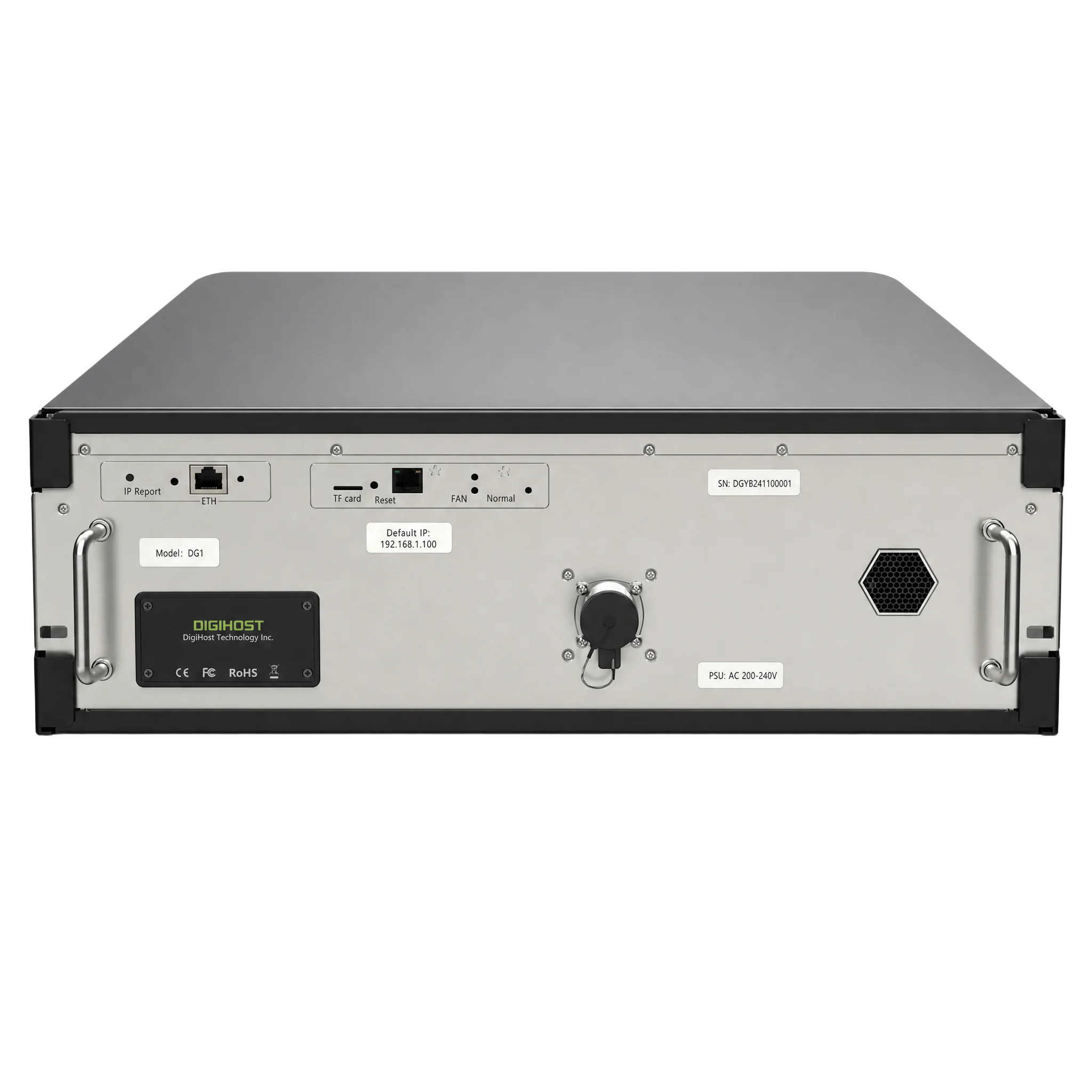
Bitmain
Antminer S21e XP Hyd 3U(860Th)
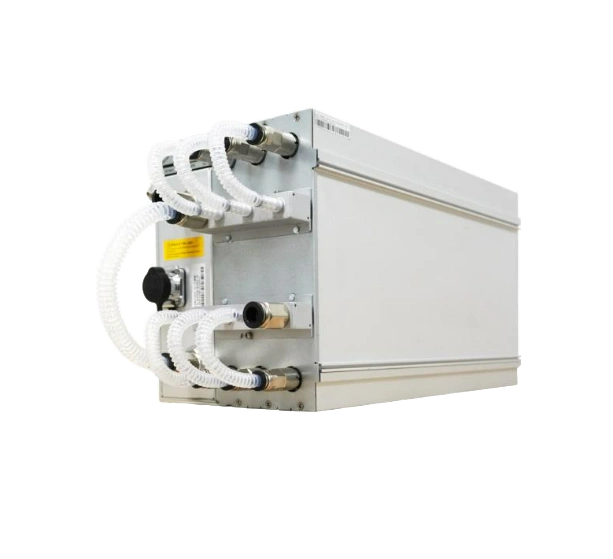
Bitmain
Antminer S21e XP HYD (430Th)
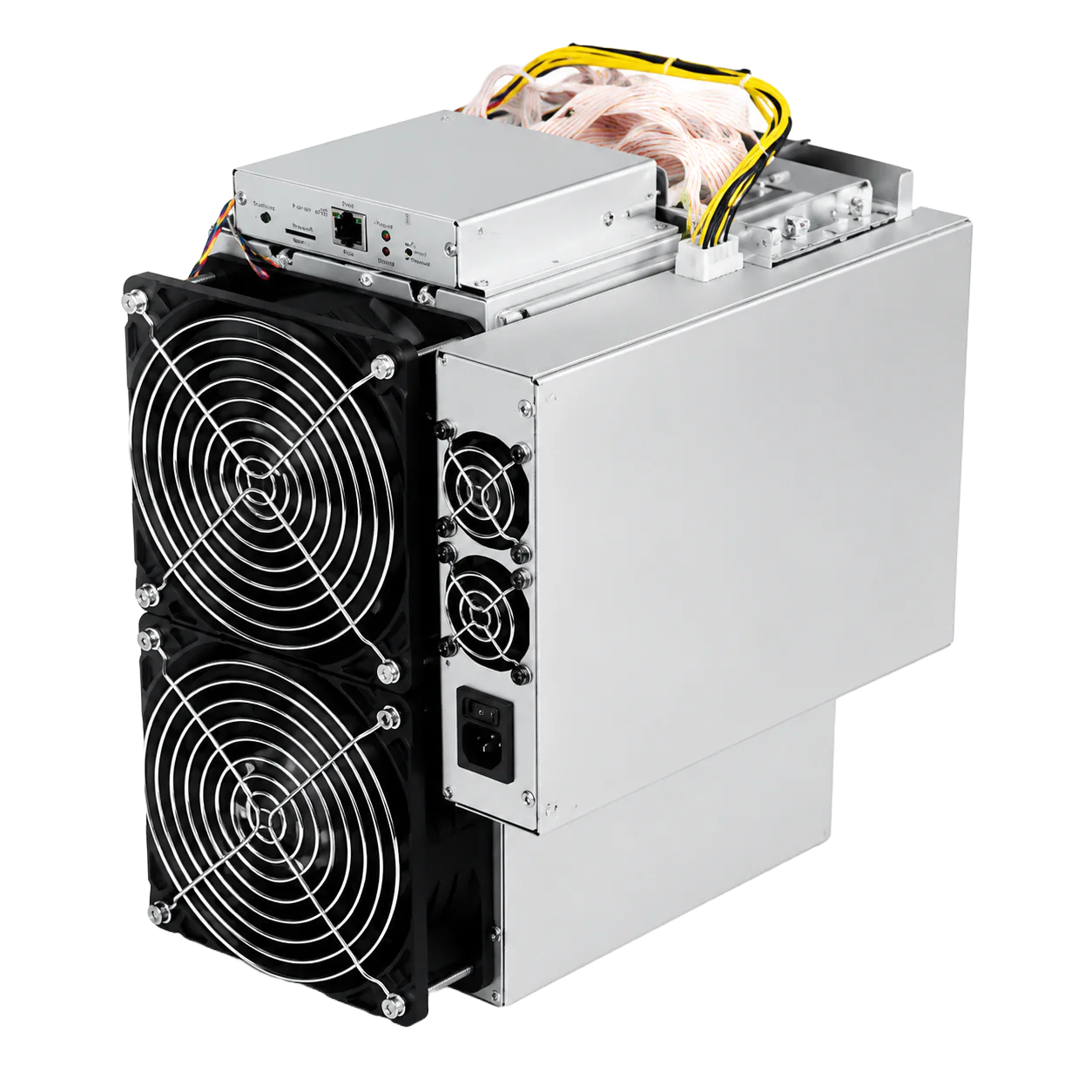
Bitmain
Antminer D5 (119Gh)
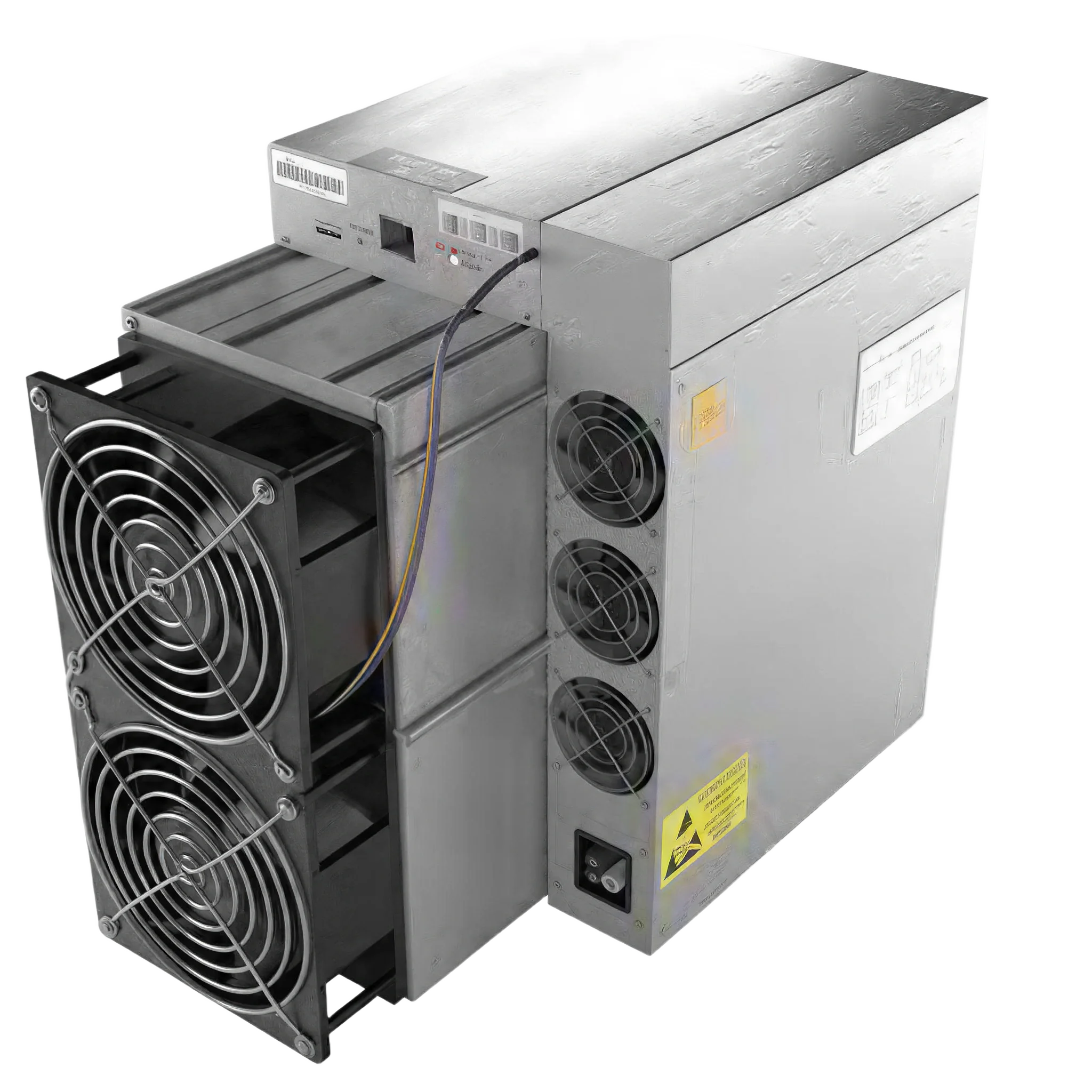
Bitmain
Antminer S21 XP (270Th)
Bitmain
Antminer S21 XP Immersion (300Th)
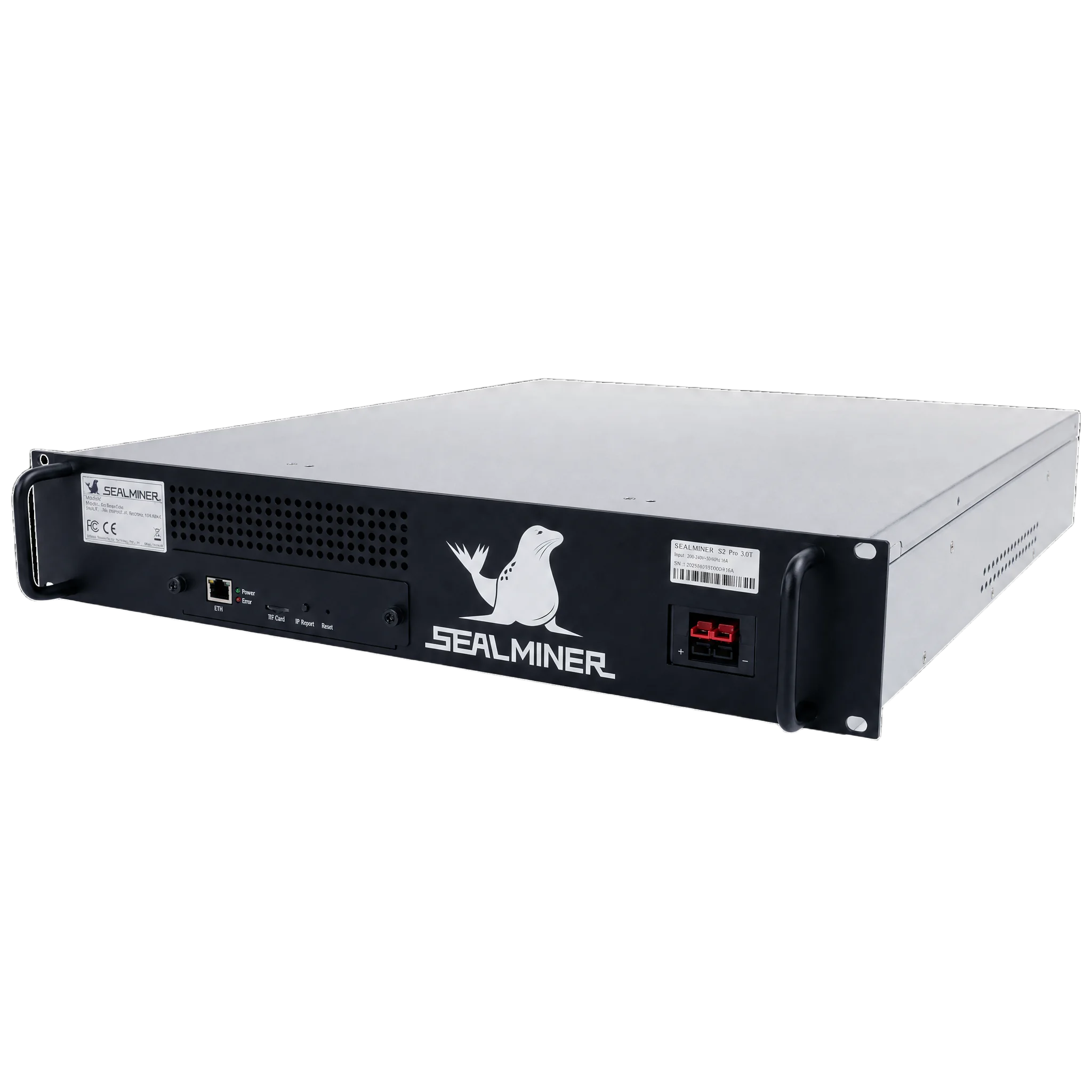
Bitdeer
Sealminer A3 Hydro (500Th)
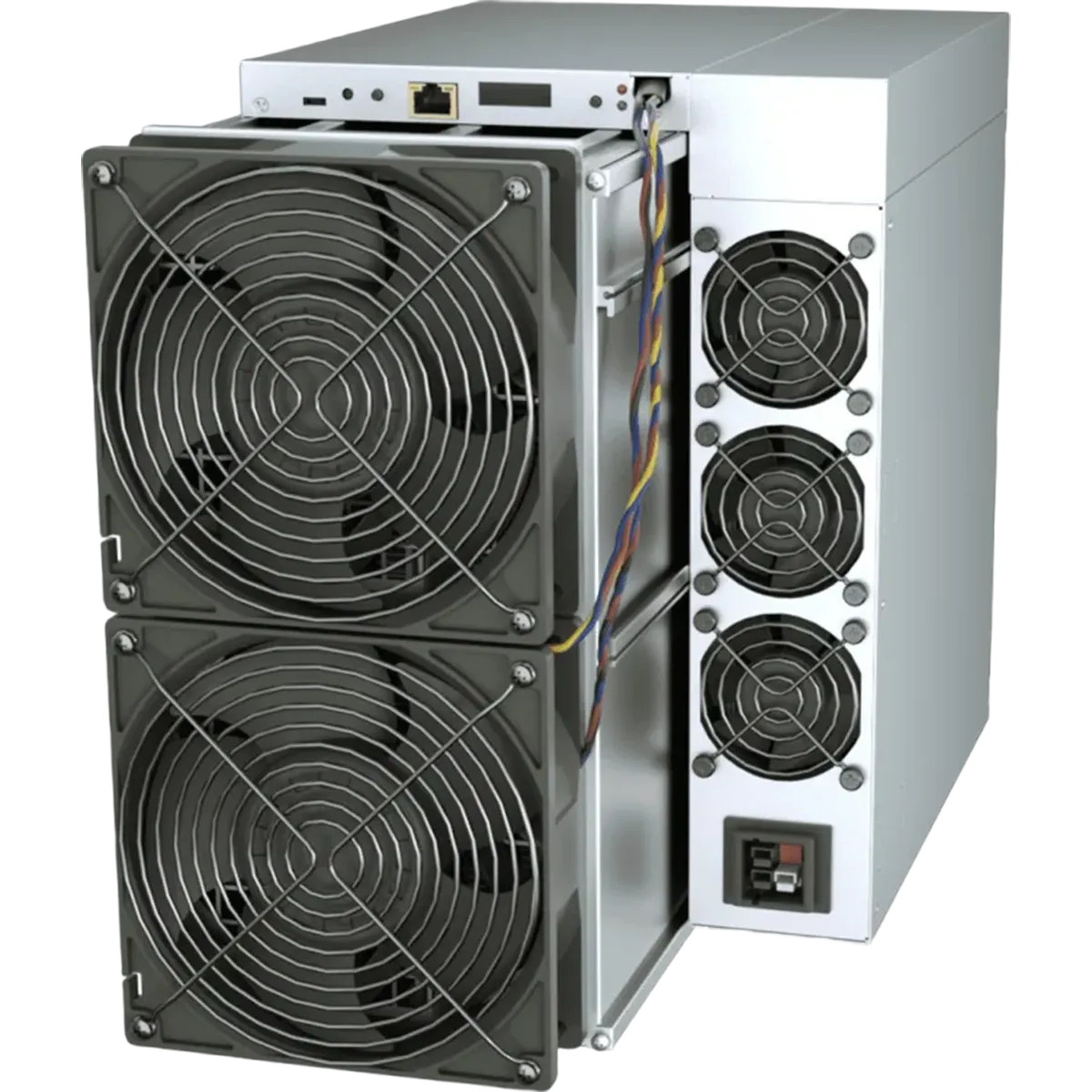
Bitmain
Antminer S21 XP
Hashrate determines your revenue; J/TH determines how much of that revenue survives the electricity bill. A 5% efficiency gain usually beats a 10% hashrate gain once electricity is factored in.
For SHA-256, anything below 18 J/TH is competitive and below 12 J/TH is leading edge. Lower-hashrate algorithms use different units - look at the per-algorithm efficiency ranking rather than cross-algorithm absolute numbers.
Usually yes, if your electricity is above $0.05/kWh. Run the payback calc on the product page with your real rate - efficient flagships typically break even faster than mid-tier alternatives when power costs are real.