


Market data as of November 16, 2026. The calculations below use the fixed assumptions stated in the article.
Bitcoin’s price has fallen, but mining equipment has not stopped running in step with the market. For anyone considering a miner purchase, that raises a practical question: if the BTC being mined is worth less, why do miners keep operating?
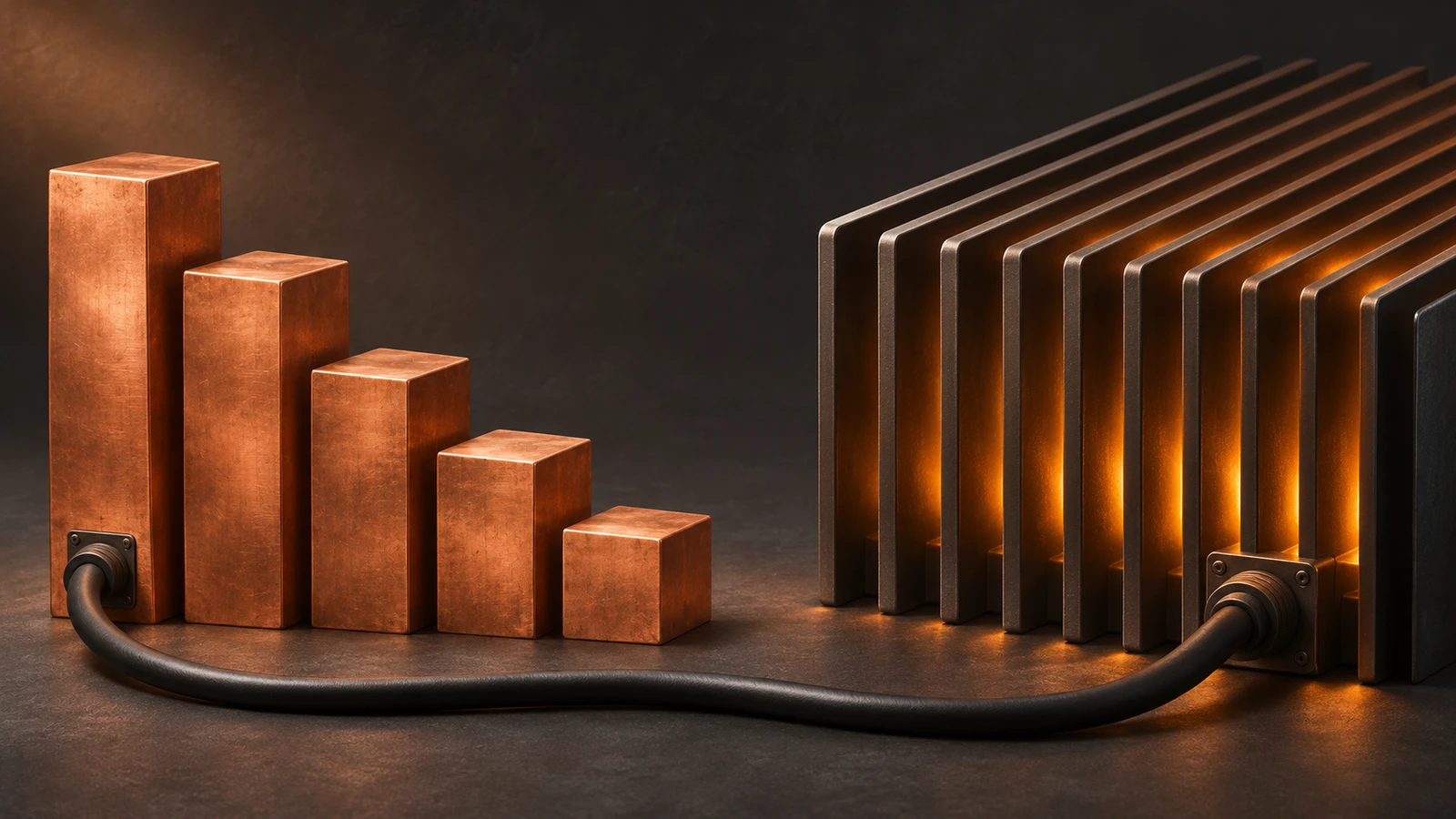
The answer depends on each operation’s costs. Bitcoin’s price affects revenue, while electricity rates, hardware efficiency and operating expenses determine whether a machine is worth keeping online.
The same market conditions can produce very different results for different machines. The Antminer S21+ and Antminer S21 XP in LeedMiner’s product catalog illustrate this clearly: their power consumption is similar, but their hashrate differs. That gap matters when revenue per unit of hashrate declines.
First, consider the recent network data.
According to Hashrate Index’s November 16 weekly roundup, Bitcoin traded at approximately $65,118, down 12.9% over the week. The network’s seven-day average hashrate was approximately 967 EH/s, down 0.8%. Hashprice, a measure of daily gross mining revenue per unit of hashrate, stood at approximately $30.45 per PH/s per day.
These figures do not support describing recent hashrate as continuously rising. On November 14, mining difficulty also fell by approximately 9.13% to 134.82T.
Sharp daily rebounds on hashrate charts need context. Network hashrate is estimated from mining difficulty and block production, so short-term variations in block discovery affect the reading. Blockchain.com recommends using a seven-day average to better represent the underlying trend.
The more useful question is: why does so much equipment remain online when Bitcoin’s price and mining revenue decline?
For a machine that is already deployed, the immediate decision is whether today’s mining revenue covers the additional costs of running it today.
Hardware purchases and site construction require upfront investment. Once equipment is operating, shutting it down saves electricity and some variable expenses, but it does not recover the purchase price. A miner may therefore keep operating while revenue covers those avoidable costs, even before the equipment has paid for itself. ViaBTC’s explanation of mining shutdown prices distinguishes this cash operating threshold from a full break-even calculation that includes the original investment.
Hardware efficiency directly affects that threshold.
The following two LeedMiner catalog models are air-cooled SHA-256 miners. Their listed specifications are:
| Specification | S21+ 216T | S21 XP 270T |
|---|---|---|
| Hashrate | 216 TH/s | 270 TH/s |
| Power | 3,564 W | 3,645 W |
| Efficiency | 16.5 J/TH | 13.5 J/TH |
Antminer S21+ 216T

Air cooling · 216 TH/S · 3564 W · 16.5 J/Th
Antminer S21 XP 270T

Air cooling · 270 TH/S · 3645 W · 13.5 J/Th
J/TH measures the energy required per terahash of computation. A lower number indicates better energy efficiency.
Calculated from these specifications, the S21 XP provides 25% more hashrate while consuming approximately 2.3% more power. Where available electrical capacity limits deployment, that means more hashrate from nearly the same equipment power draw.
Converting the specifications into daily revenue and electricity costs makes the difference easier to assess.
Assume a fixed hashprice of $30.45 per PH/s per day, an electricity rate of $0.06/kWh, and continuous operation for 24 hours at the listed hashrate and power consumption:
| Per day | S21+ 216T | S21 XP 270T |
|---|---|---|
| Theoretical gross mining revenue | $6.58 | $8.22 |
| Equipment electricity consumption | 85.54 kWh | 87.48 kWh |
| Electricity cost | $5.13 | $5.25 |
| Gross revenue minus electricity cost | $1.45 | $2.97 |
Daily gross revenue = hashrate in PH/s × hashprice. Daily electricity cost = power in kW × 24 × electricity rate. These calculations exclude pool fees, additional cooling and power-distribution losses, maintenance, financing and equipment depreciation. They also exclude downtime and hashrate variation. The remaining balance is not net profit or a promise of future returns.
Under these assumptions, daily electricity costs differ by approximately $0.12, while the balance remaining after electricity differs by approximately $1.53. Differences are calculated before rounding.
At $0.08/kWh, the gap becomes more consequential. The S21+ would incur approximately $6.84 in daily electricity costs, exceeding the theoretical gross revenue above. The S21 XP would incur approximately $7.00, leaving about $1.22 to cover other expenses.
This helps explain why miners do not all shut down at the same point in a falling market. Equipment efficiency, electricity rates and site costs create different revenue thresholds for continued operation.
Operating efficiency alone, however, does not determine which miner to buy. Acquisition cost matters too.
Choosing between the Antminer S21+ 216T and the Antminer S21 XP 270T requires comparing current quotations, electricity rates, available power capacity and the intended operating period. The value of better efficiency needs to be weighed against the difference in purchase price.
An owner of deployed equipment is deciding whether continued operation generates a positive cash contribution. A buyer adding equipment must also account for purchasing, shipping, installation and ongoing maintenance. Those decisions require different calculations; a single payback estimate cannot capture both.
A useful evaluation should also test lower hashprice scenarios. Covering electricity costs today does not guarantee enough room for other expenses if revenue falls further. Difficulty adjustments, Bitcoin’s price and actual uptime will all affect the outcome.
Bitcoin’s market price changes daily, while differences in operating costs continue to shape mining results. For hardware buyers, the practical question is: how much revenue pressure can this machine withstand under your electricity rate and deployment conditions?
Visit the linked LeedMiner product pages to review specifications and submit an inquiry. Include your electricity rate, order quantity, deployment location and budget so the comparison can start with the conditions that matter to your project.