



SUMMARY
Cryptocurrency mining has evolved from solo setups to large-scale, pool-based operations. At the core of this shift lies a powerful but often overlooked piece of technology: the Stratum Protocol. It’s the communication bridge between miners and mining pools, enabling efficient, stable, and scalable mining. Let’s dive into what the Stratum Protocol is, how it works, and why it’s so essential to modern-day mining.
What Is the Stratum Protocol
The Stratum Protocol is a lightweight, efficient communication protocol used between cryptocurrency miners and mining pools. Its main role is to facilitate the transmission of mining jobs and share submissions over a persistent TCP connection. Before Stratum, miners relied on an older protocol called getwork, which required miners to repeatedly poll the server for new jobs—causing unnecessary bandwidth usage and latency. In 2012, Slush Pool introduced the Stratum Protocol as a modern replacement. Today, it has become the industry standard.
How Does Stratum Work

The Stratum Protocol operates on a client-server model:
- Persistent Connection: Once connected to a mining pool via TCP (typically using ports like 3333 or 4444), the connection stays open.
- Job Distribution: The pool sends out "jobs" to the miner. A job contains all the necessary data to compute hashes (including target difficulty and block header information).
- Share Submission: Miners work on the job and submit valid "shares" (partial solutions) back to the pool as proof of work.
- Efficiency Gains: Instead of requesting new data constantly, the pool only sends updates when something changes, greatly reducing bandwidth and latency.
This real-time communication ensures that miners are always working on the most current block data, maximizing profitability.
Key Features and Benefits

- Low Latency: Continuous job streaming means miners don’t waste time waiting for new work.
- Efficient Data Transfer: Only relevant data is sent, avoiding unnecessary requests.
- Bandwidth Friendly: Ideal for large farms or regions with limited connectivity.
- Scalable: Supports thousands of miners under a single pool without bottlenecks.
- Resilience: Built-in error handling and reconnect logic keep mining stable.
Stratum Versions: V1 vs V2
Stratum V1
This is the version used by almost all current miners and pools. It’s simple, widely supported, and works well in most environments.
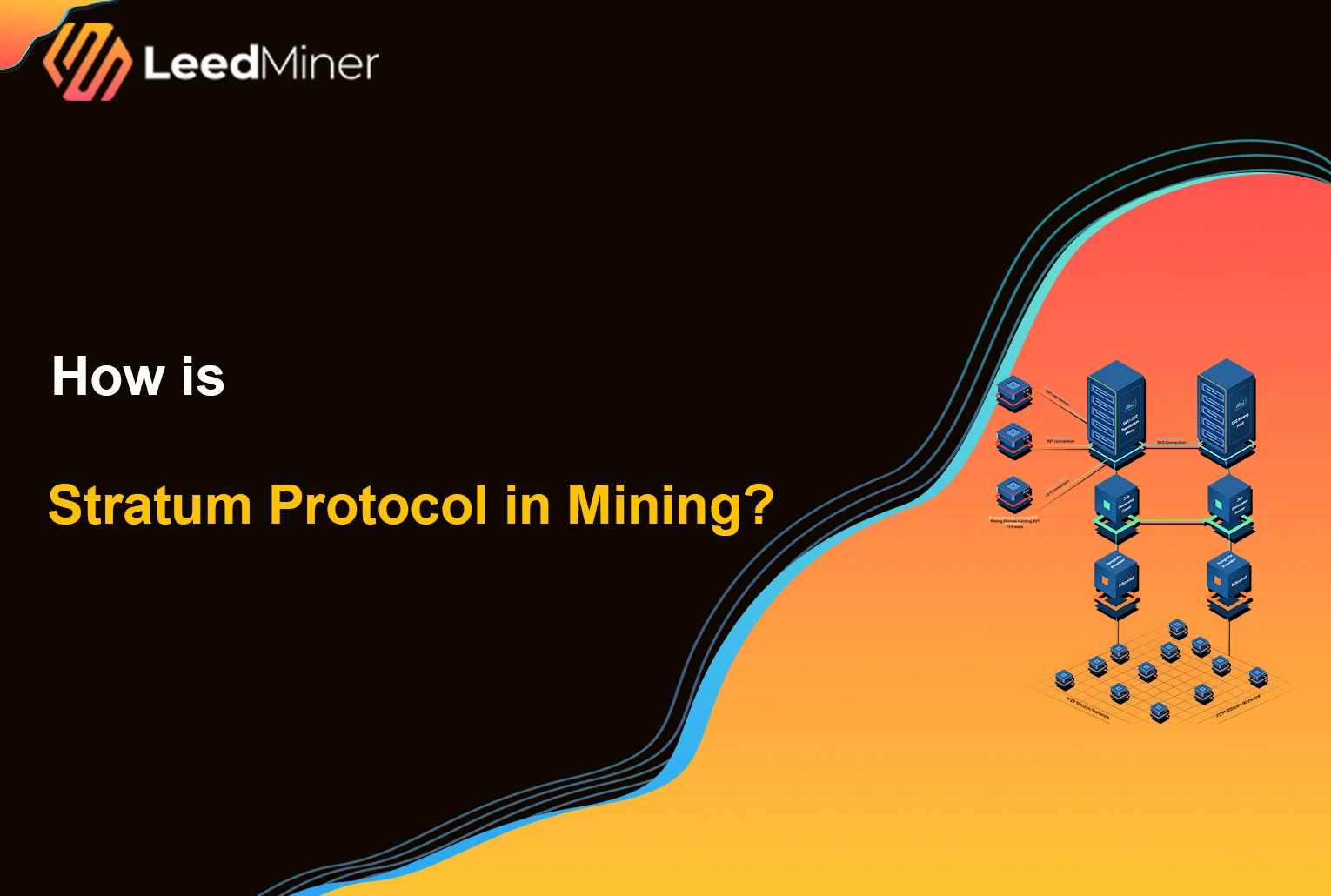
Stratum V2 (Under Development)
The next evolution of the protocol brings enhanced features:
- End-to-End Encryption for secure communication
- Job Negotiation that allows miners to choose their own block templates
- Reduced Centralization by giving miners more control
- Optimized Bandwidth Usage through binary-encoded data
Although V2 adoption is growing slowly, its benefits are promising—especially for improving decentralization and security in Bitcoin mining.
Where Is Stratum Used in Mining
stratum+tcp://btc.f2pool.com:3333 stratum+ssl://us-west.stratum.slushpool.com:443 The prefix stratum+tcp:// or stratum+ssl:// indicates which connection protocol is used (unencrypted vs encrypted). No matter the mining software (e.g., CGMiner, BMiner, or ASIC firmware), if it supports pool mining, it likely uses Stratum behind the scenes.
Common Issues and Troubleshooting
- Connection Errors
If your miner can't connect to the pool, check for:
- Incorrect address or port
- Local firewall or router settings
- Blocked ports by your ISP
- High Rejection Rate
Often caused by poor network quality or incorrect miner settings. Try switching to a closer server or using a wired connection.
- Compatibility Problems
Older miners might not support Stratum or have trouble with certain pool implementations. Firmware upgrades may help.
- Fallback Pools
To prevent downtime, always configure multiple pools with priority settings in your miner’s interface.
CONCLUSION
The Stratum Protocol is the silent backbone of modern cryptocurrency mining. By enabling efficient and reliable communication between miners and pools, it ensures maximum uptime, lower latency, and better use of resources. As the mining ecosystem continues to evolve—with developments like Stratum V2—understanding the protocol powering your setup becomes more important than ever. Whether you’re running a single miner at home or managing a multi-megawatt farm, Stratum is working hard behind the scenes to keep your hashpower earning.